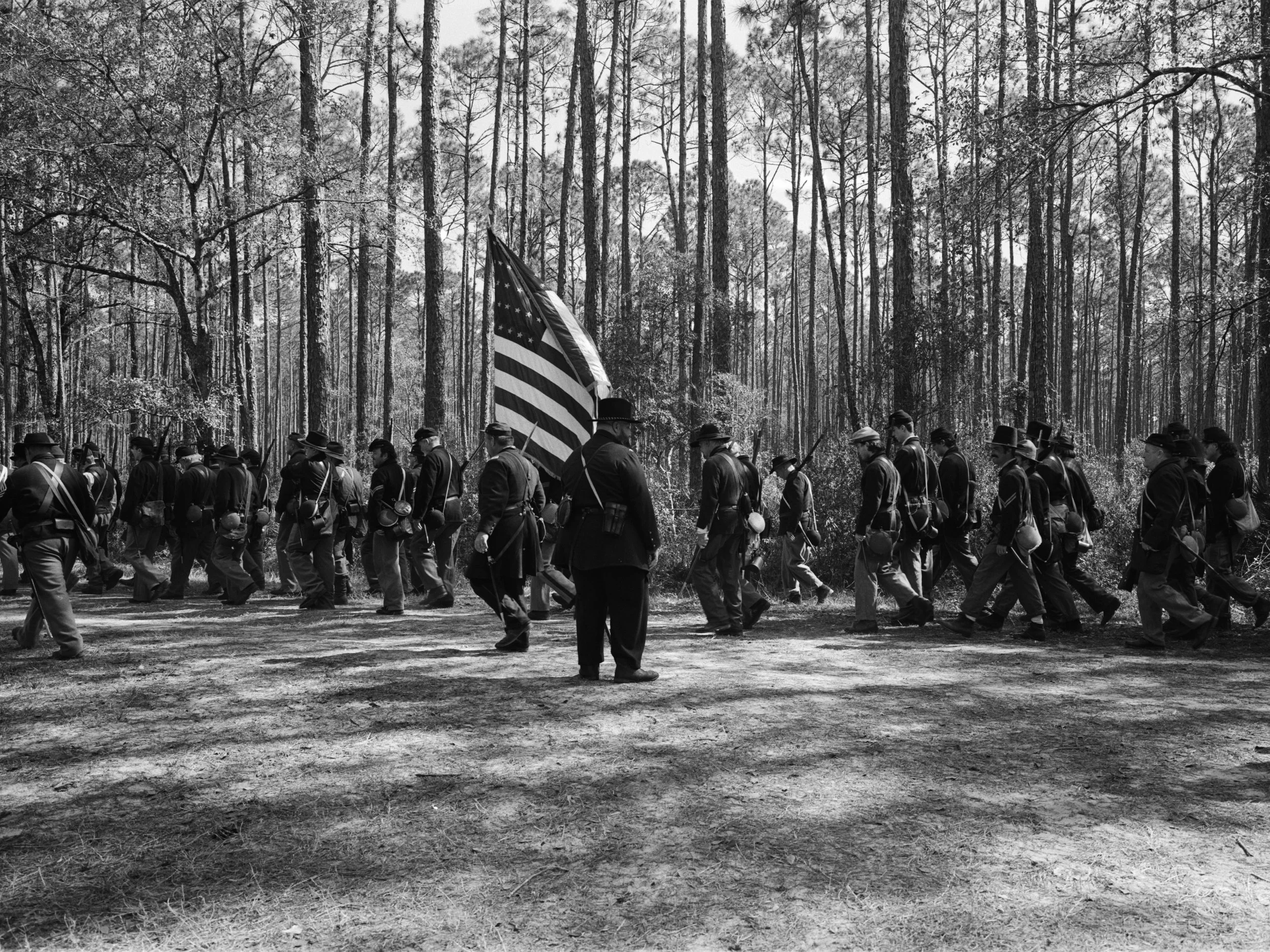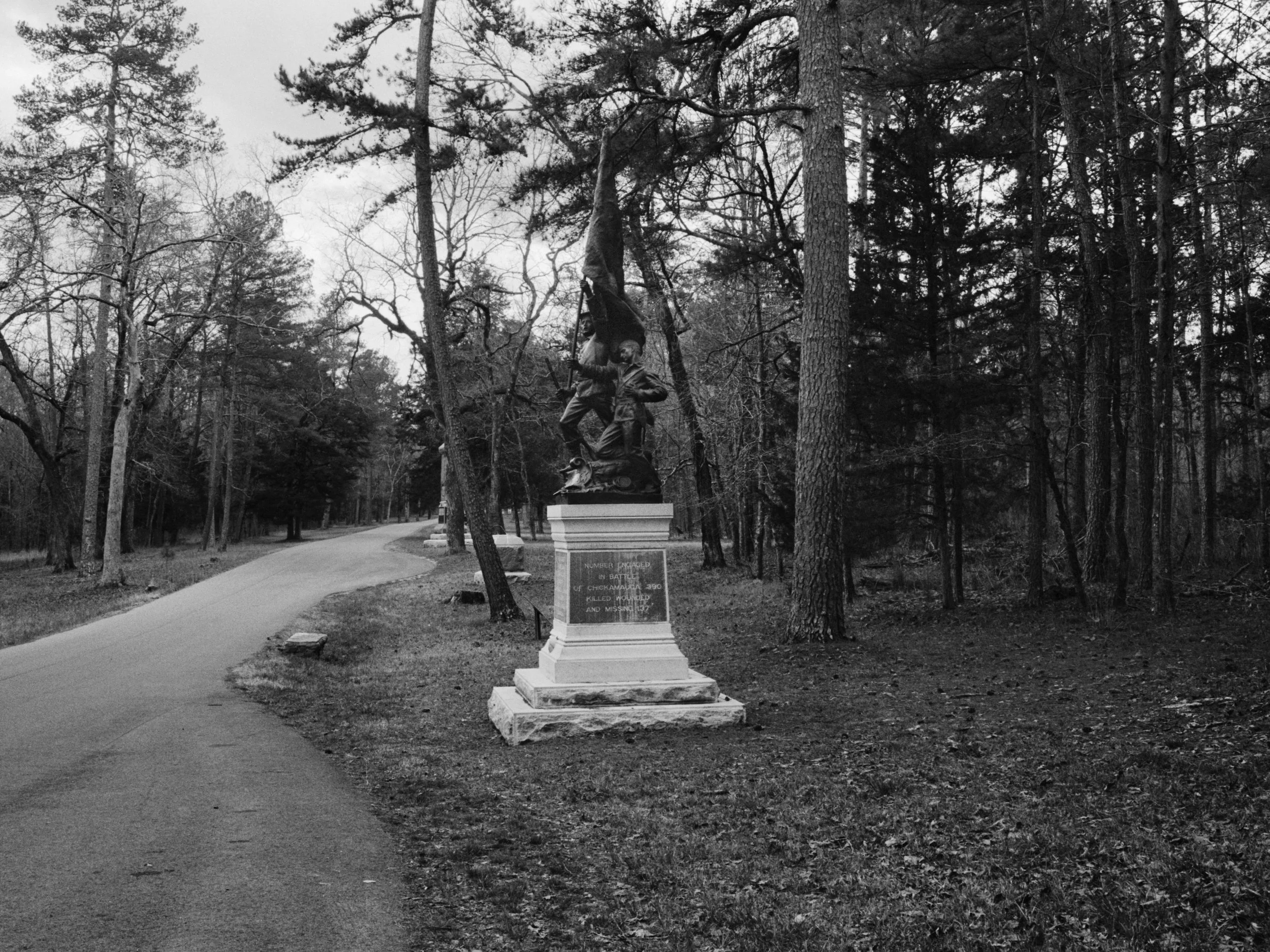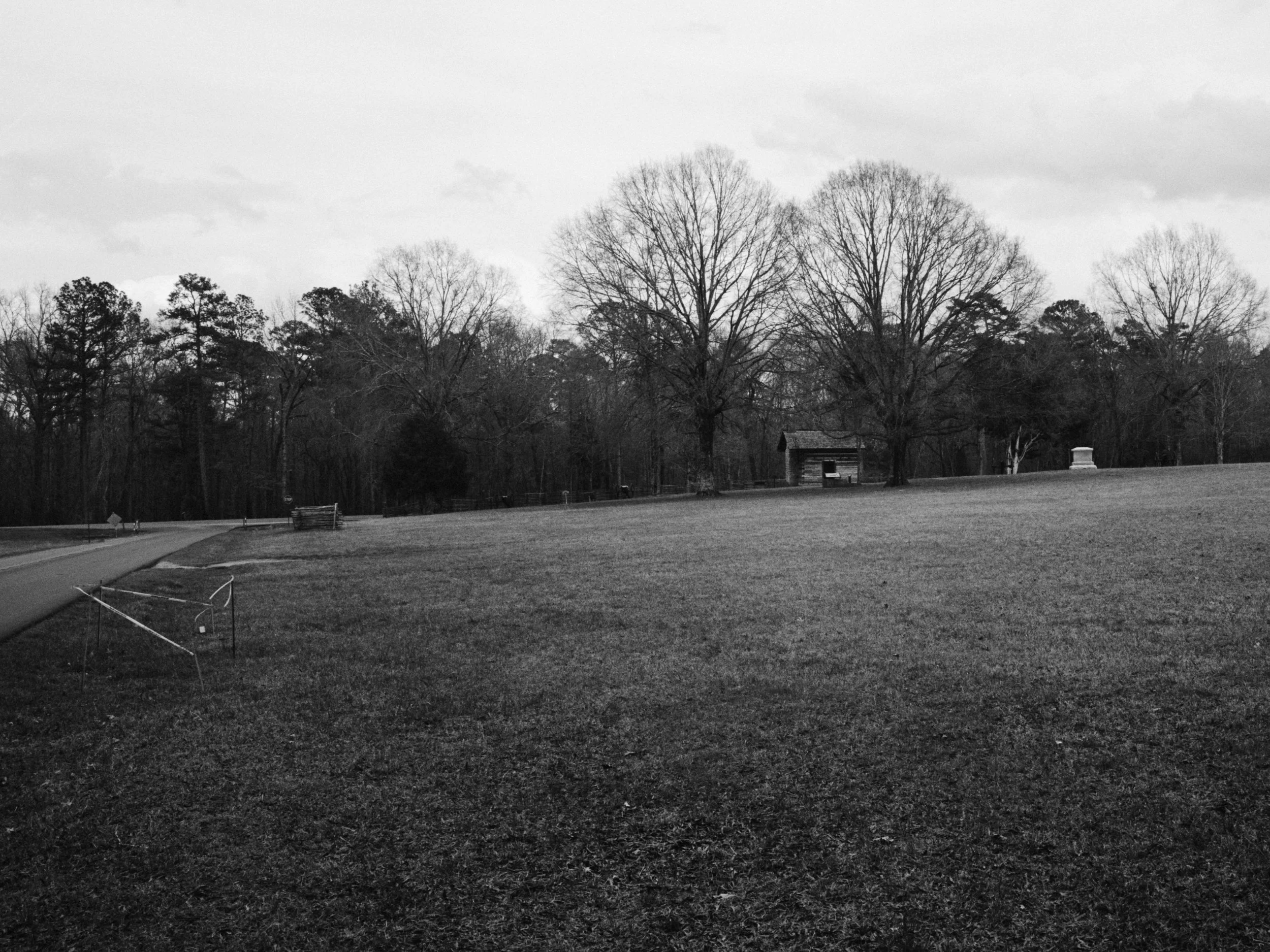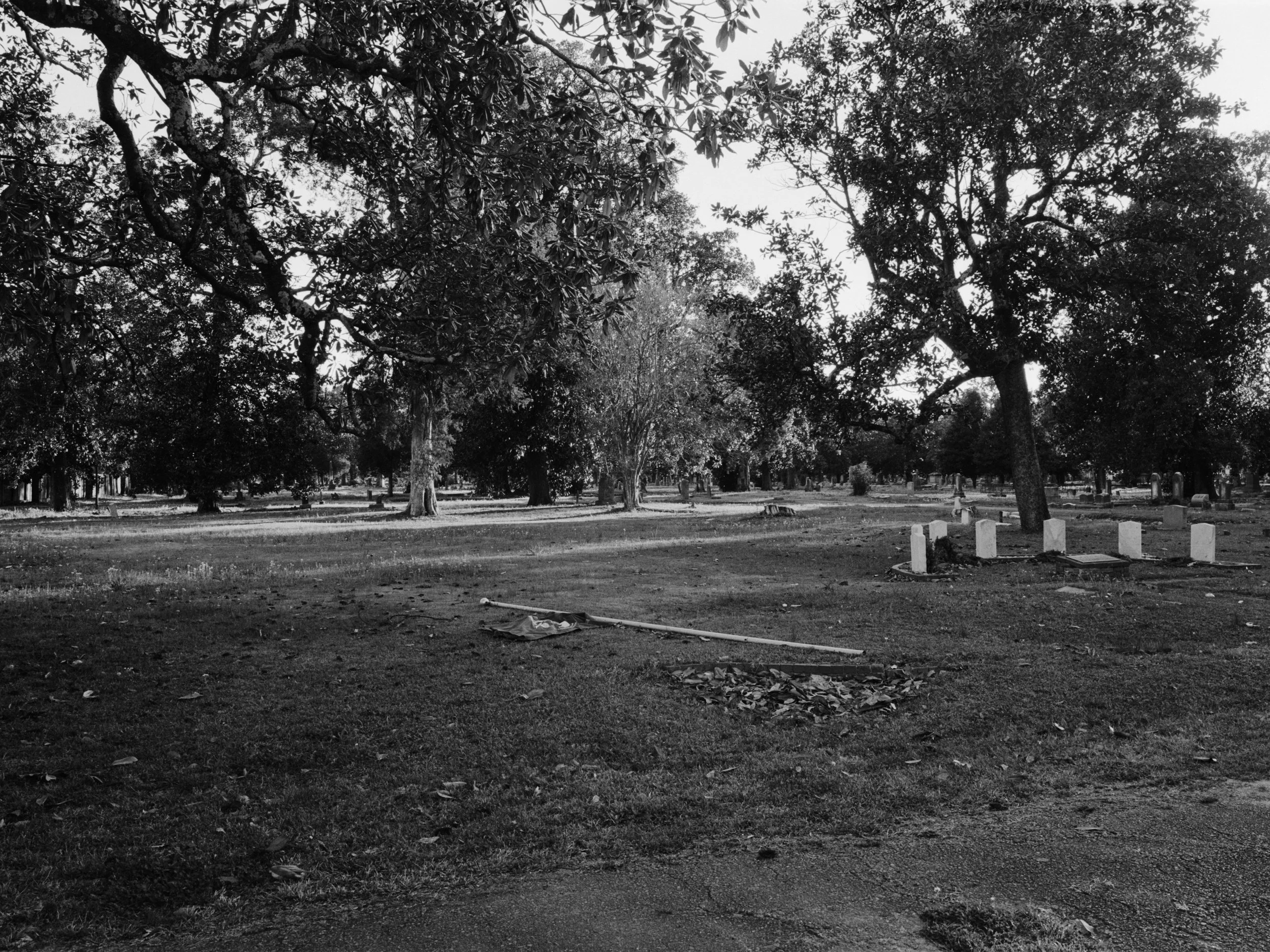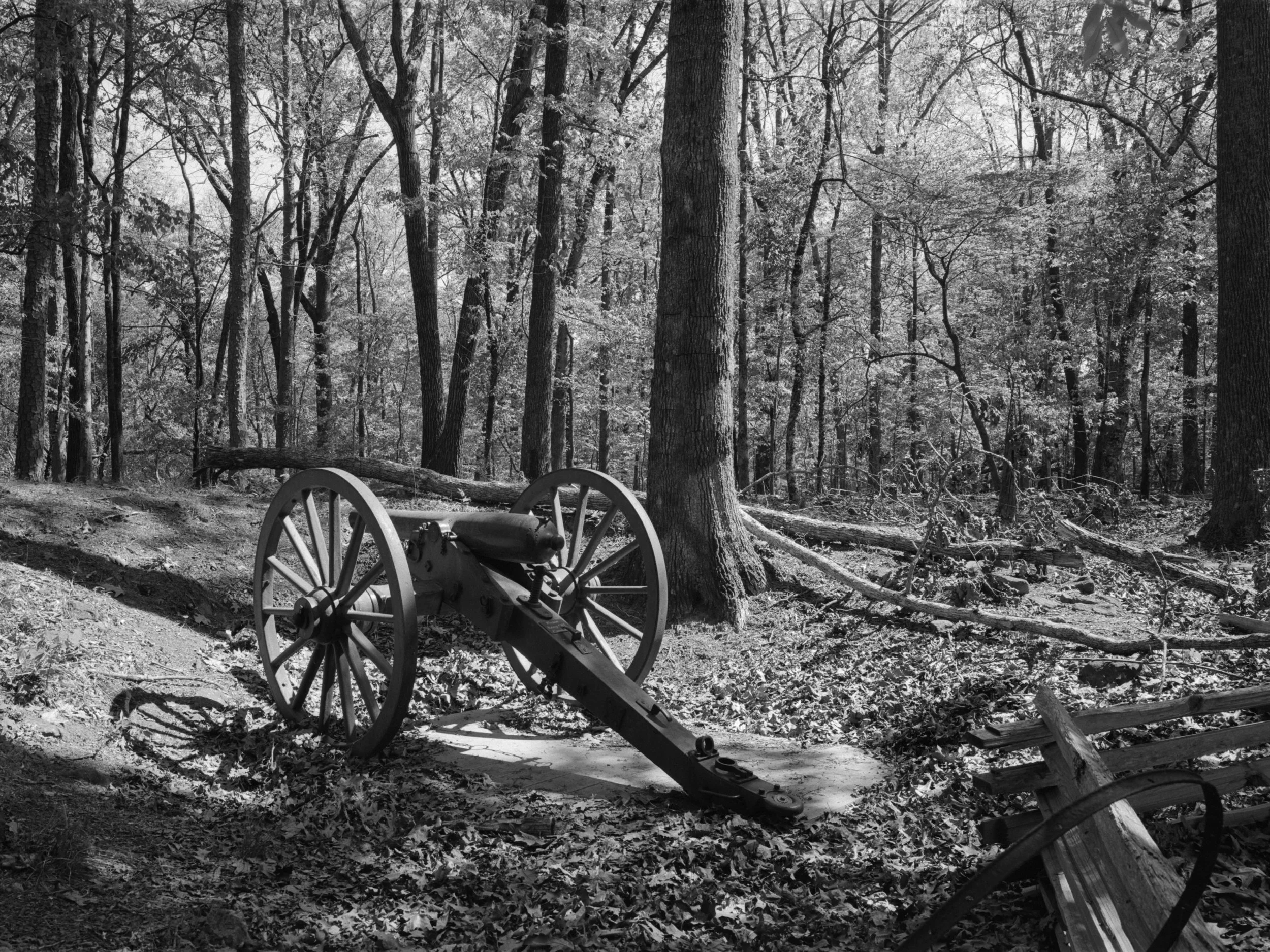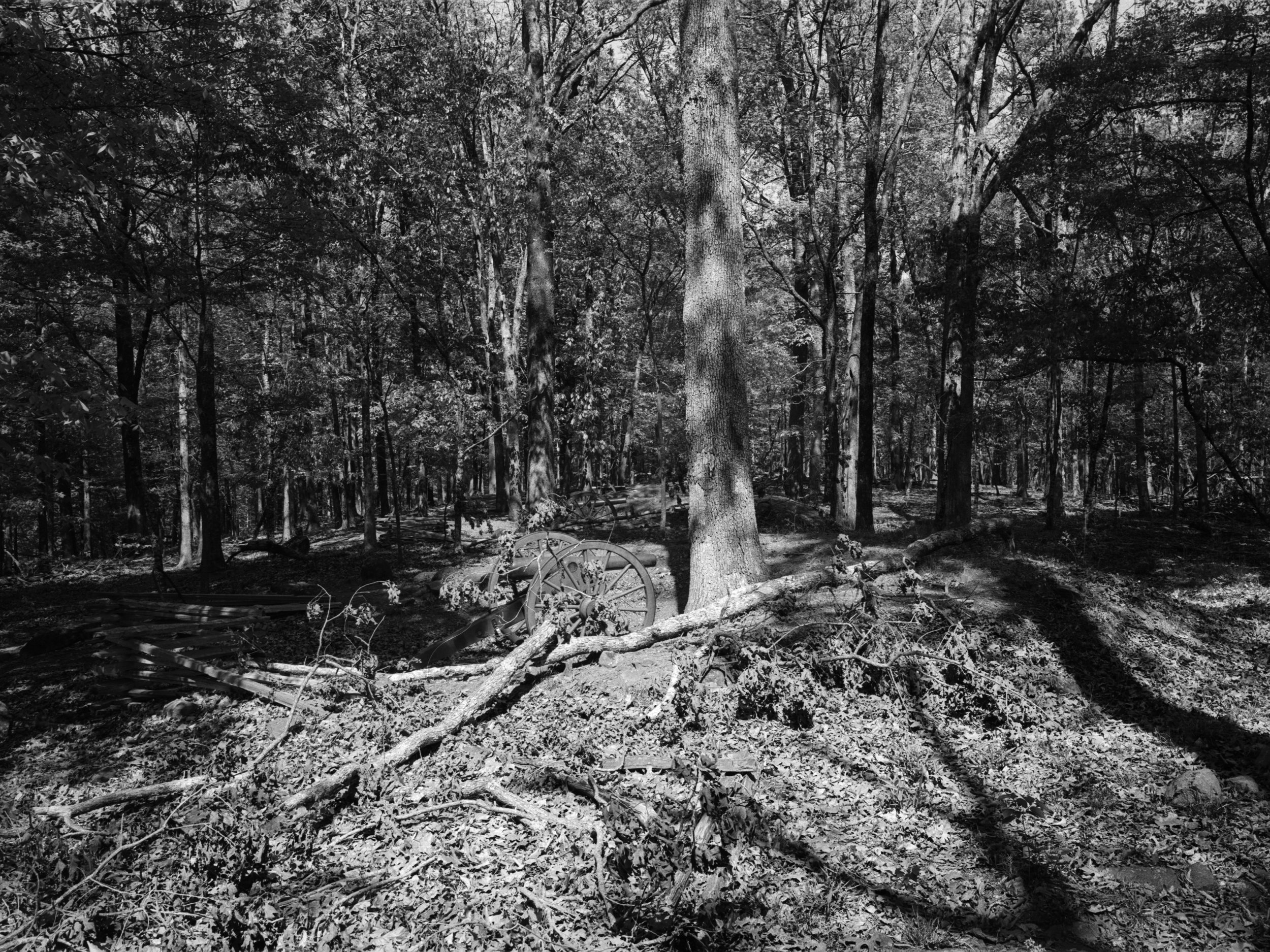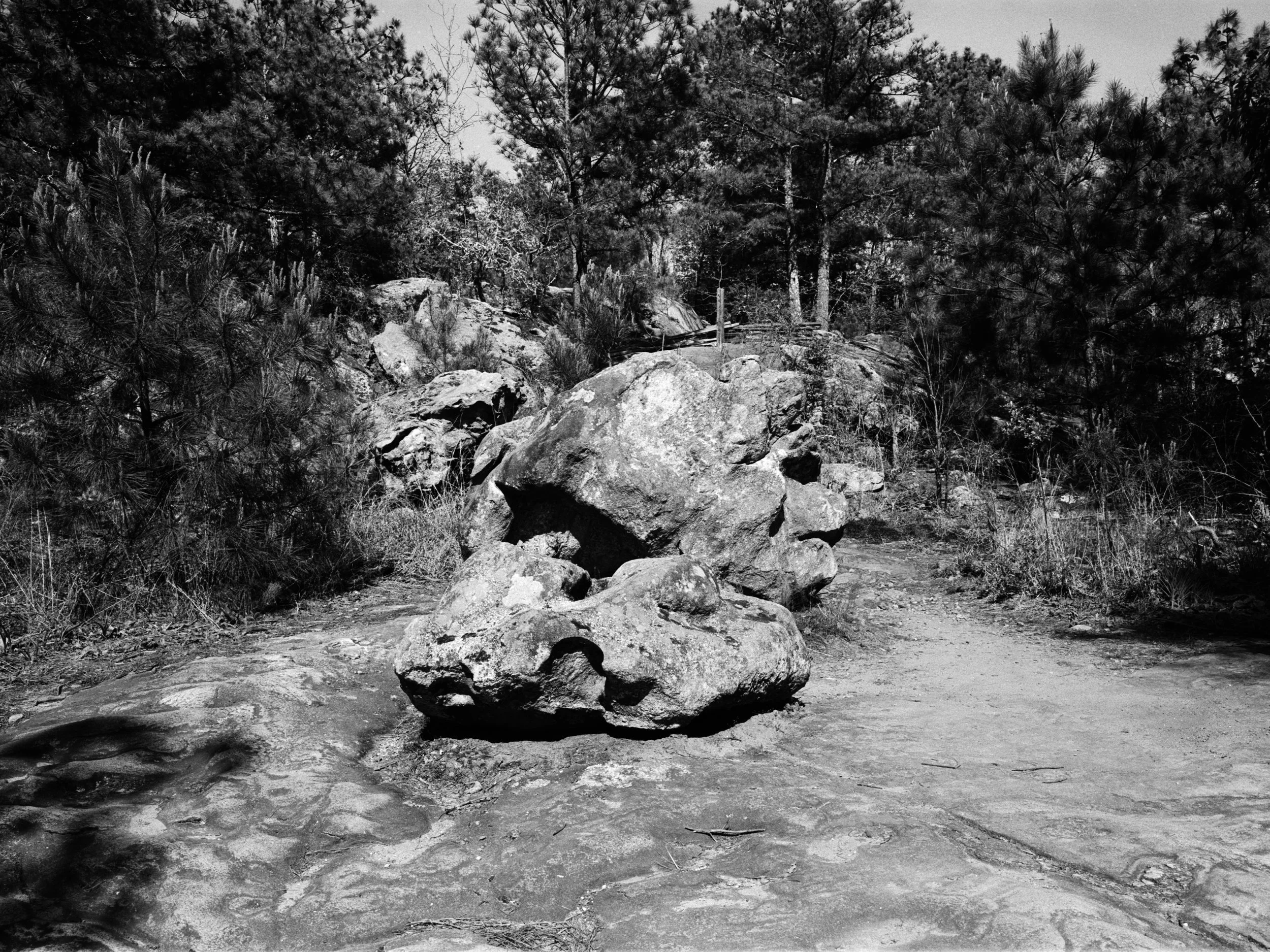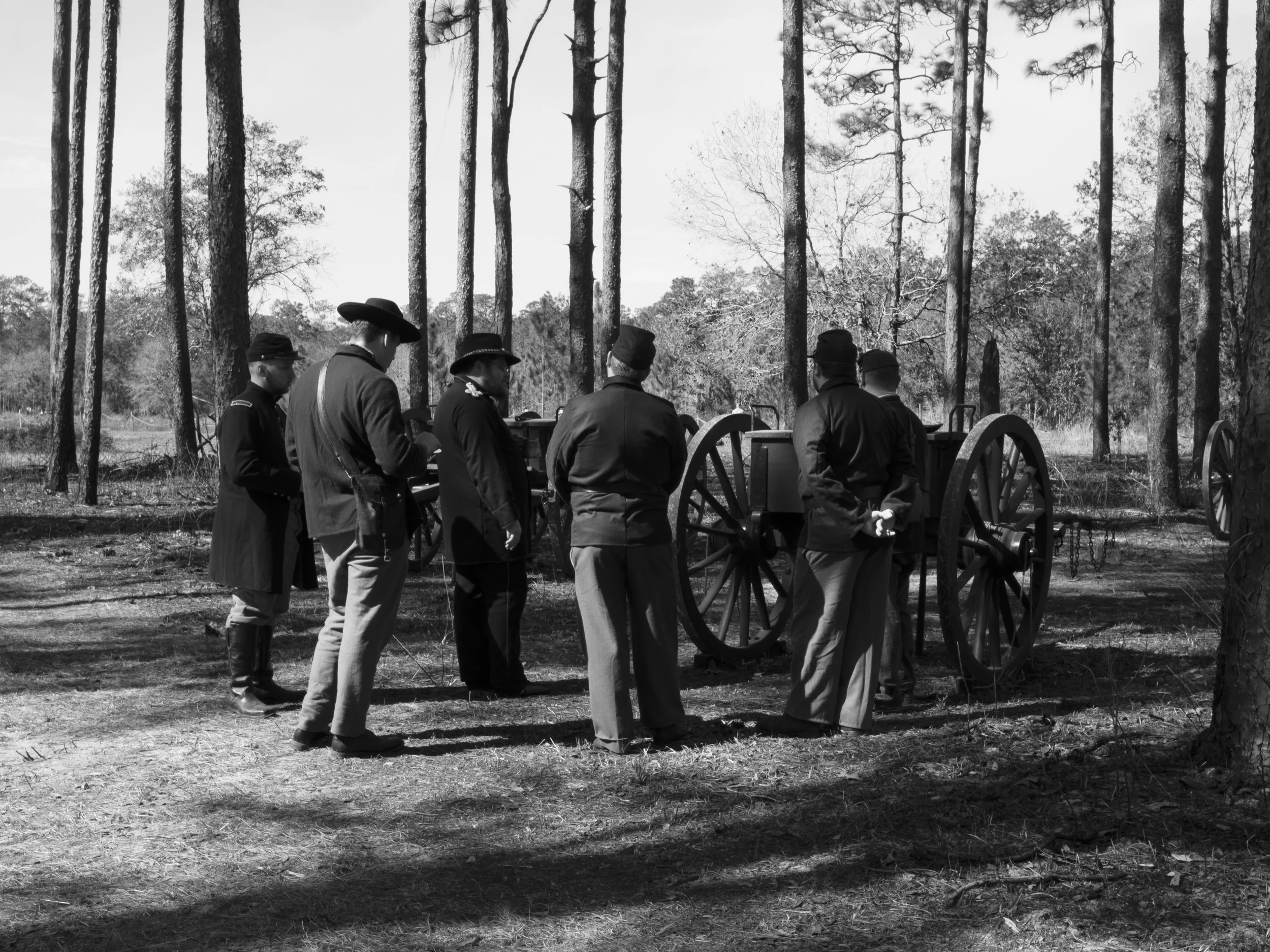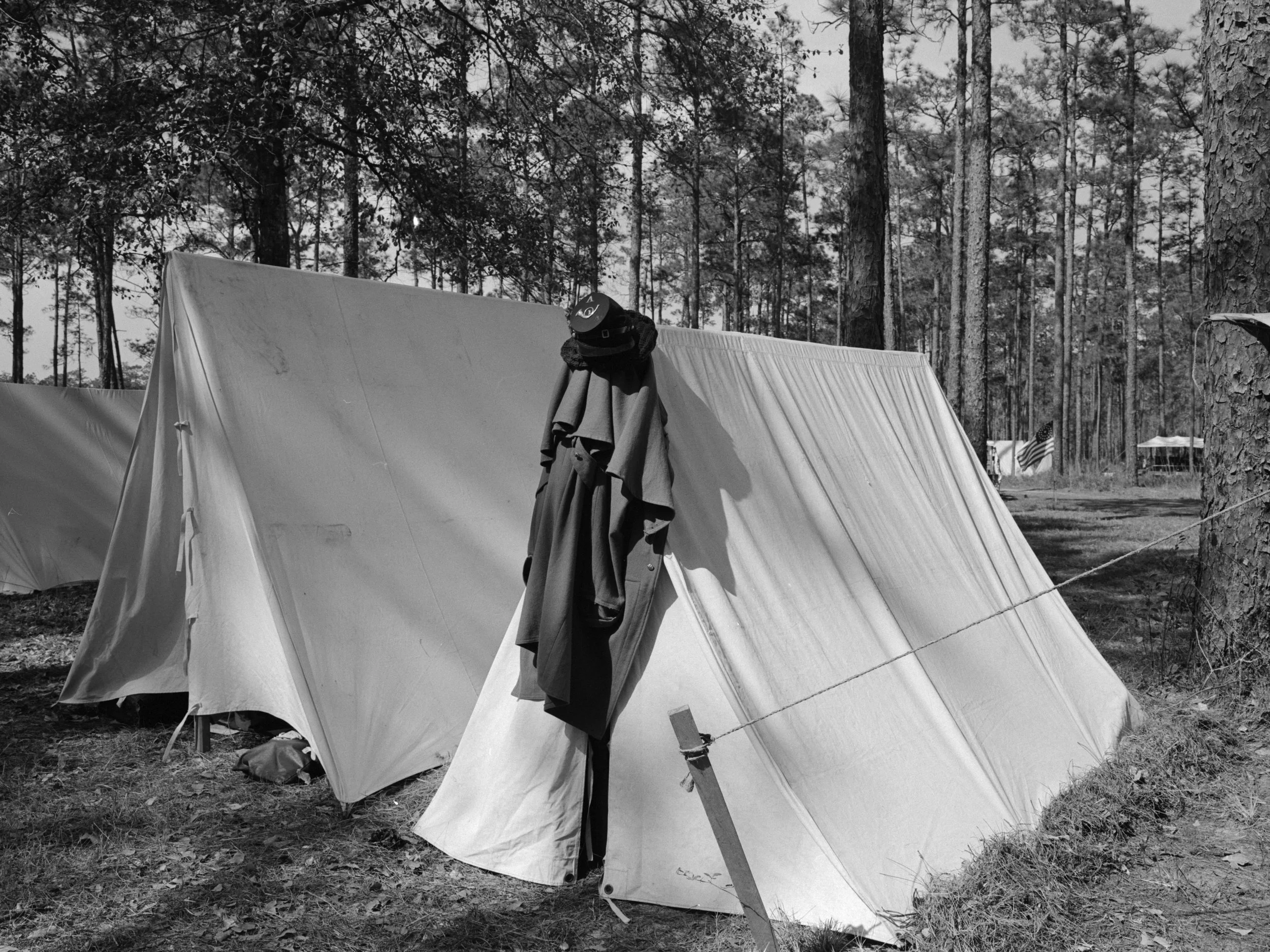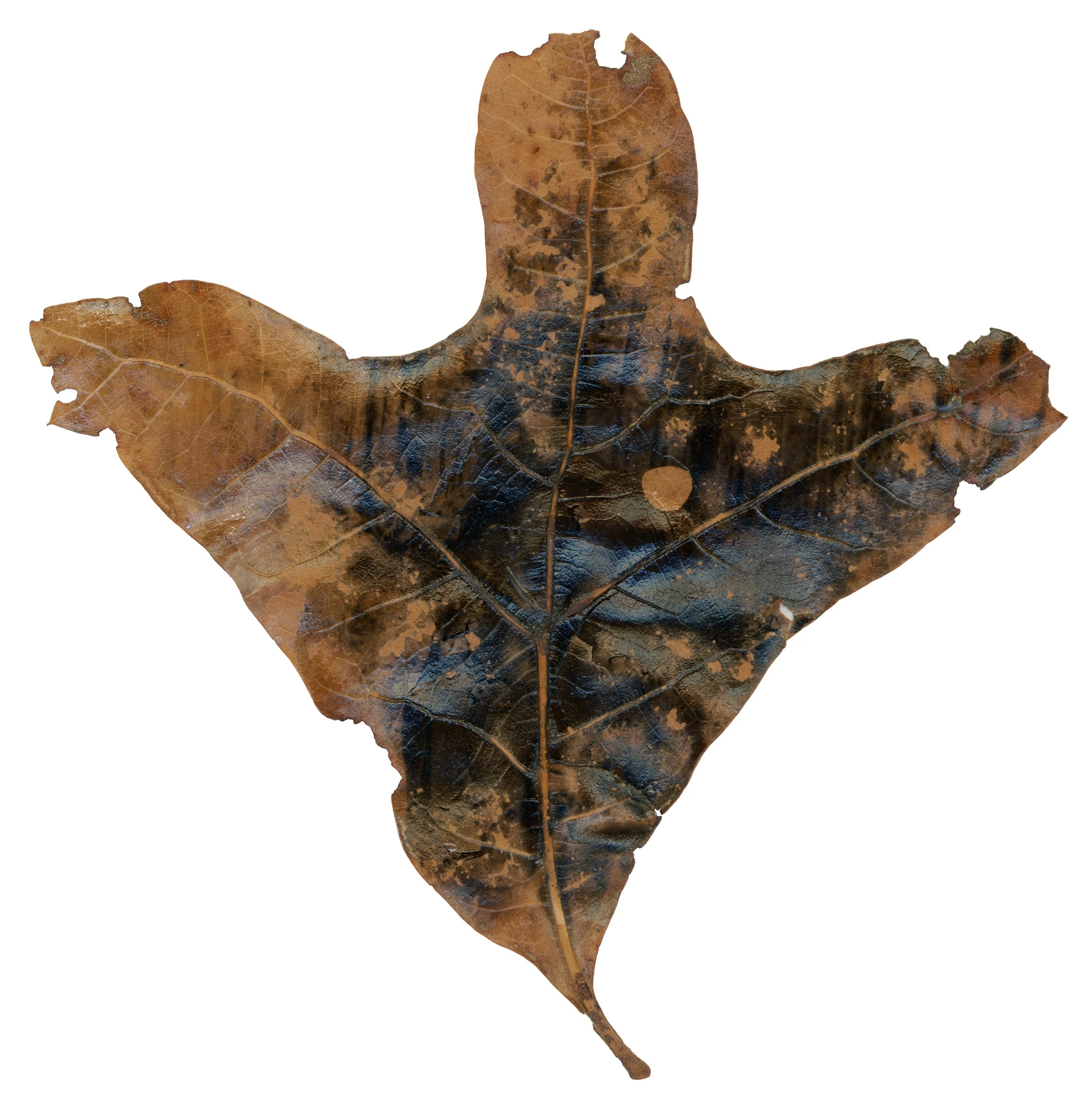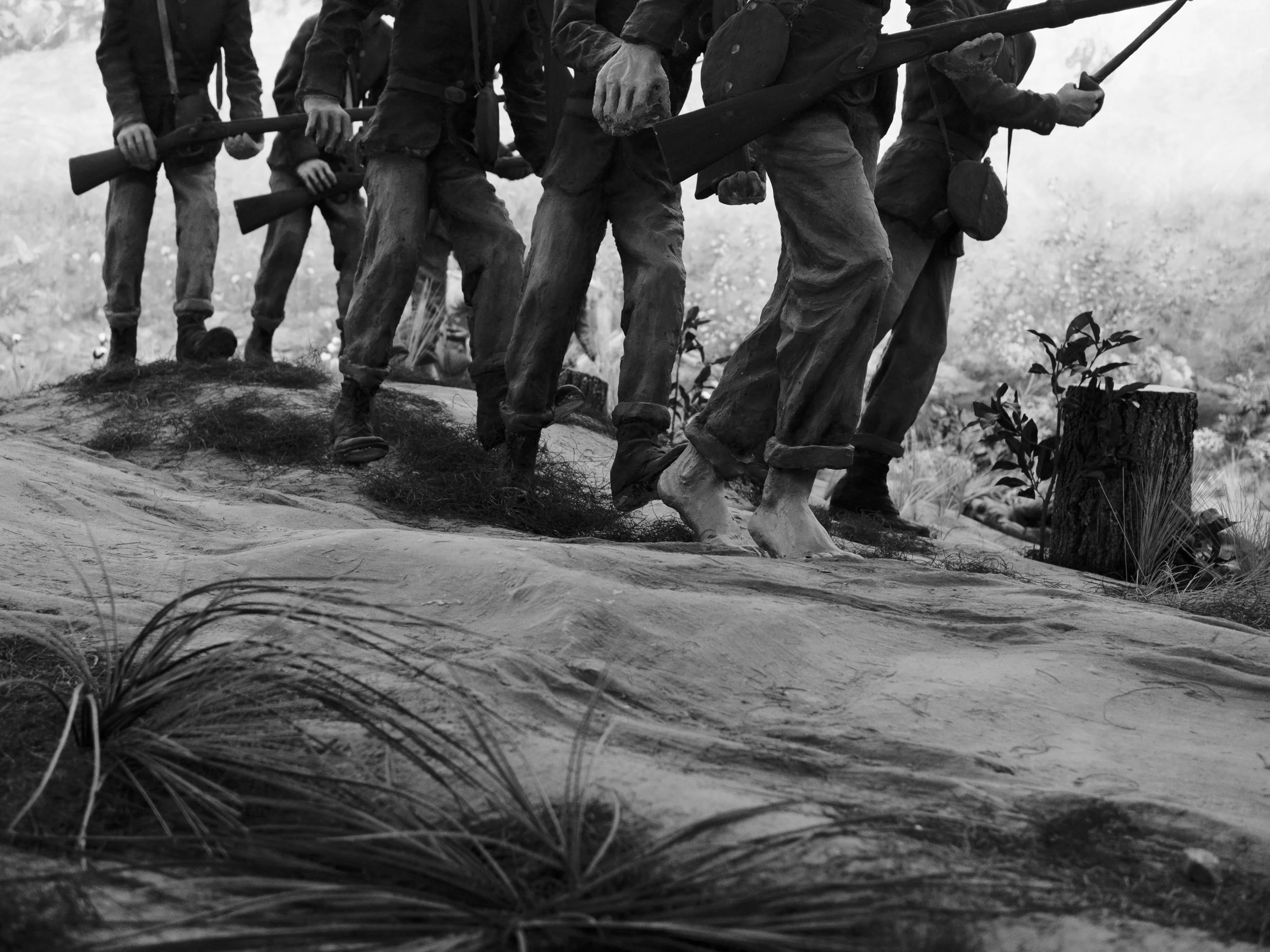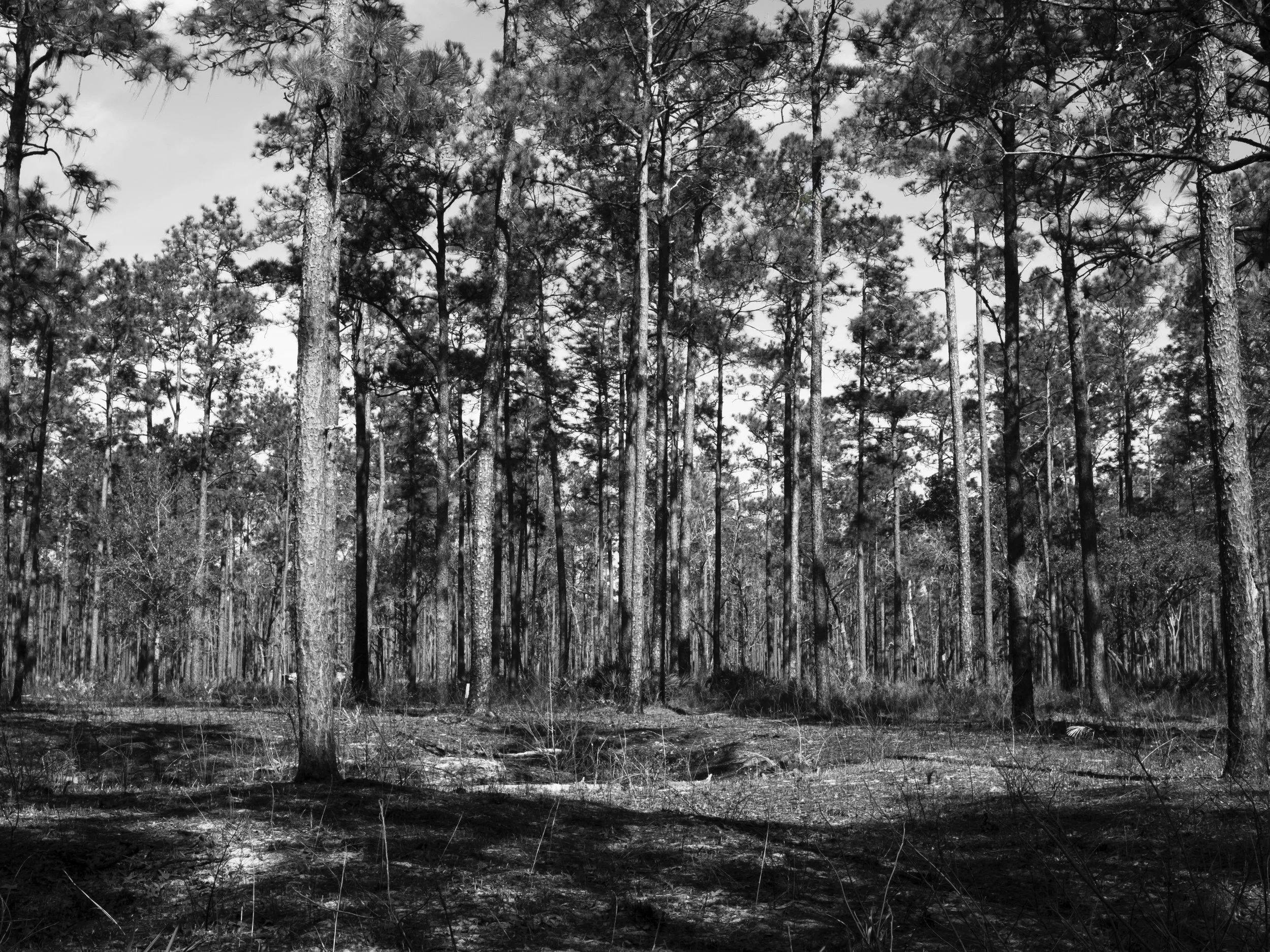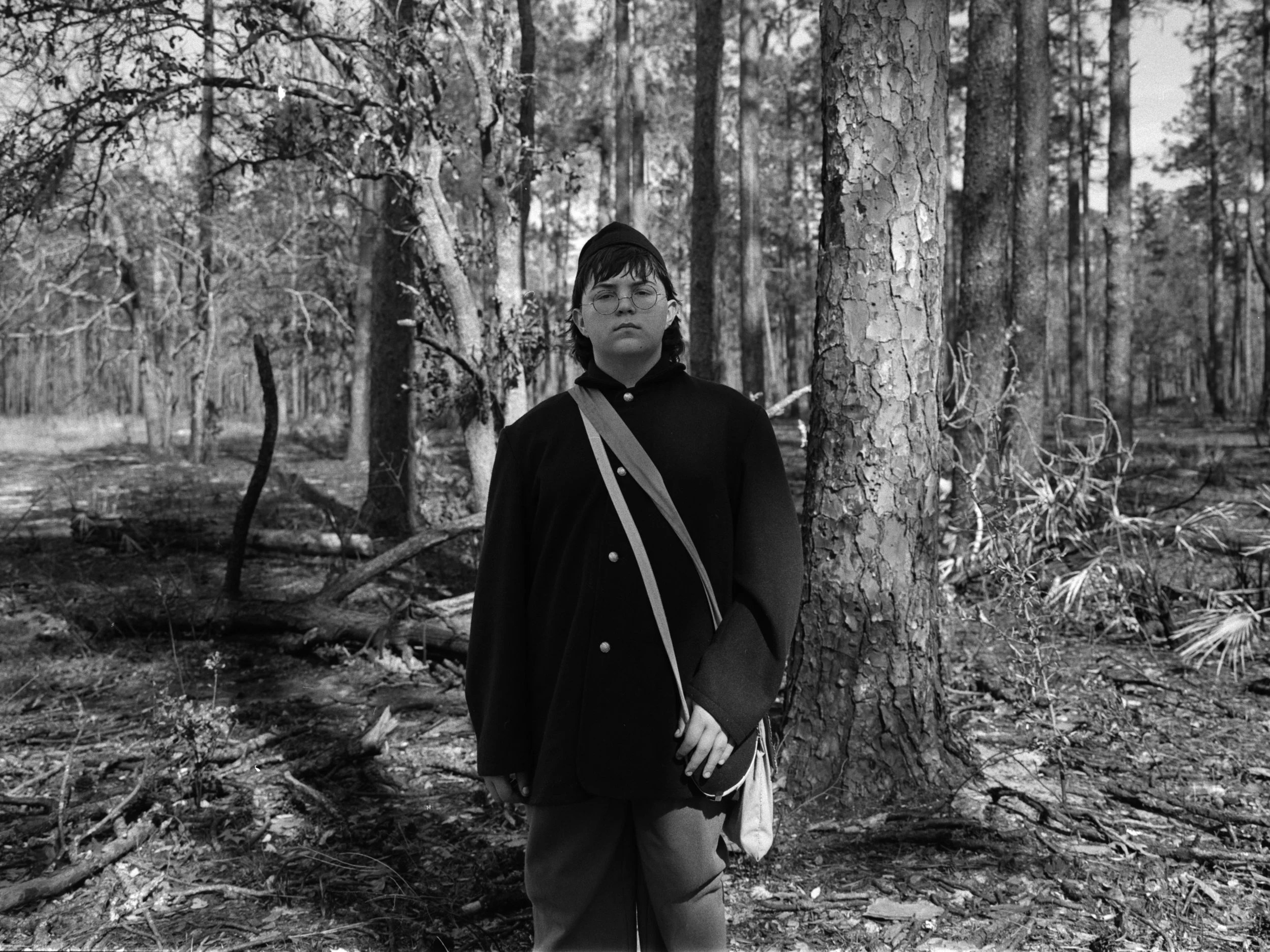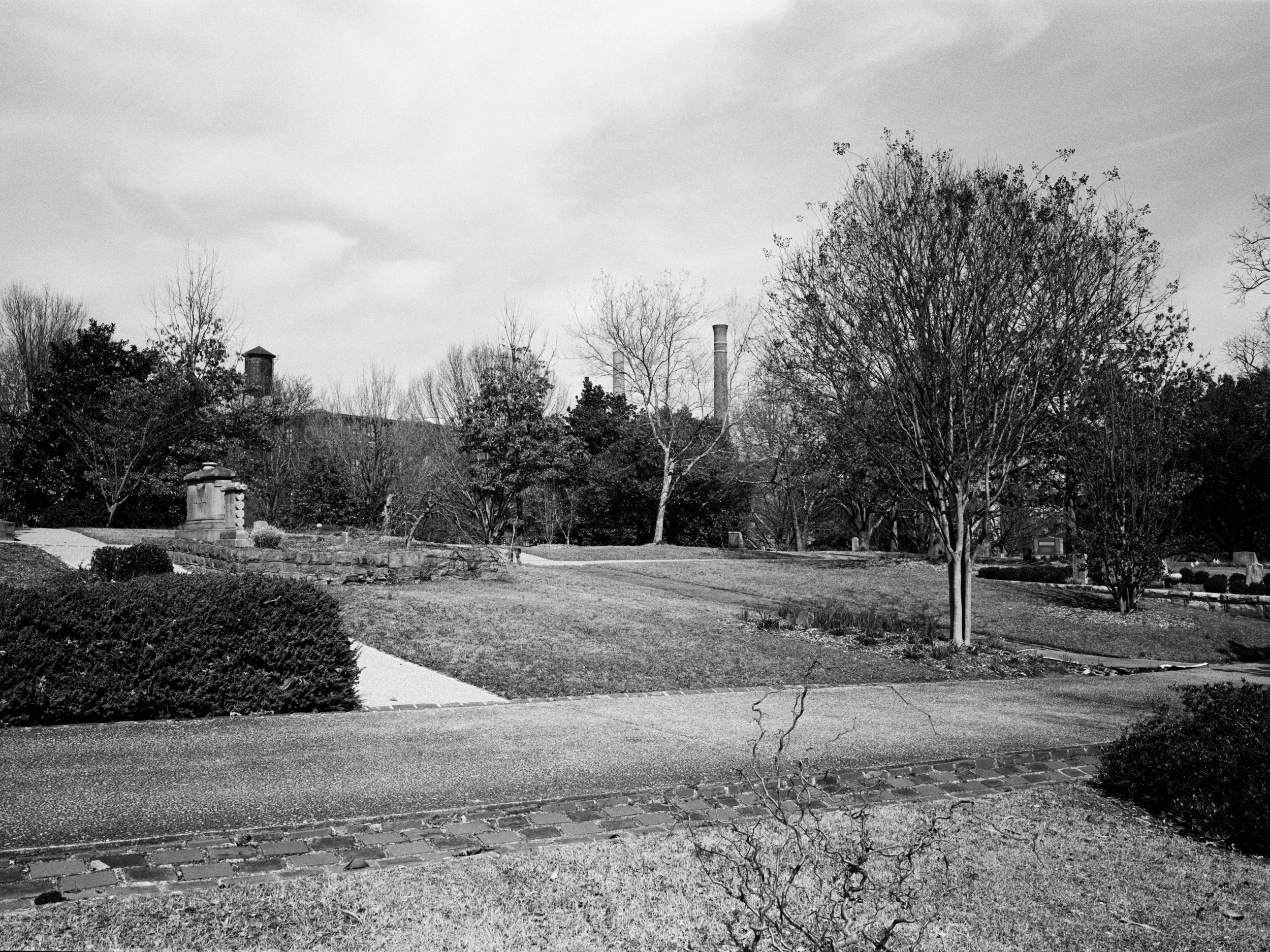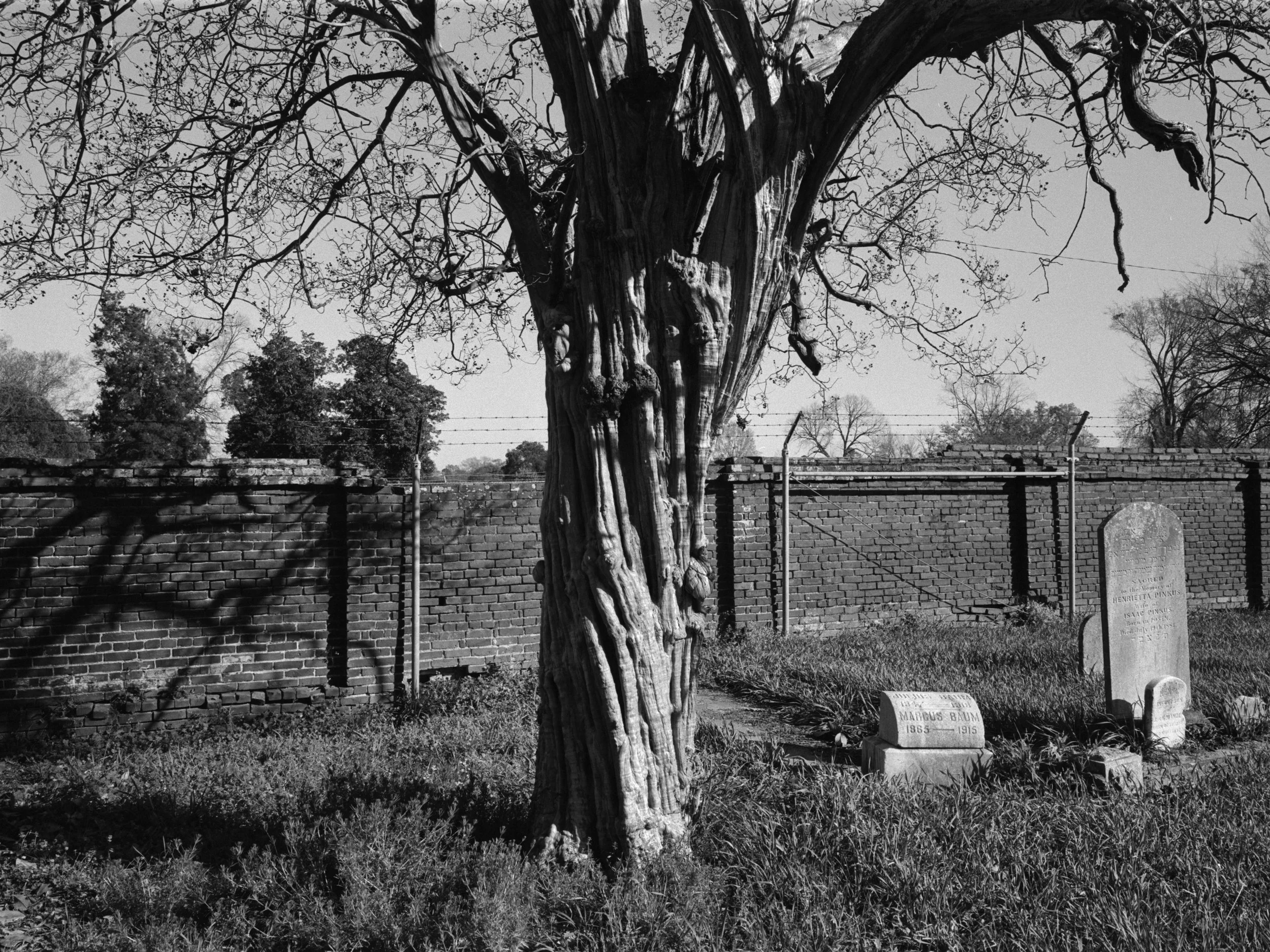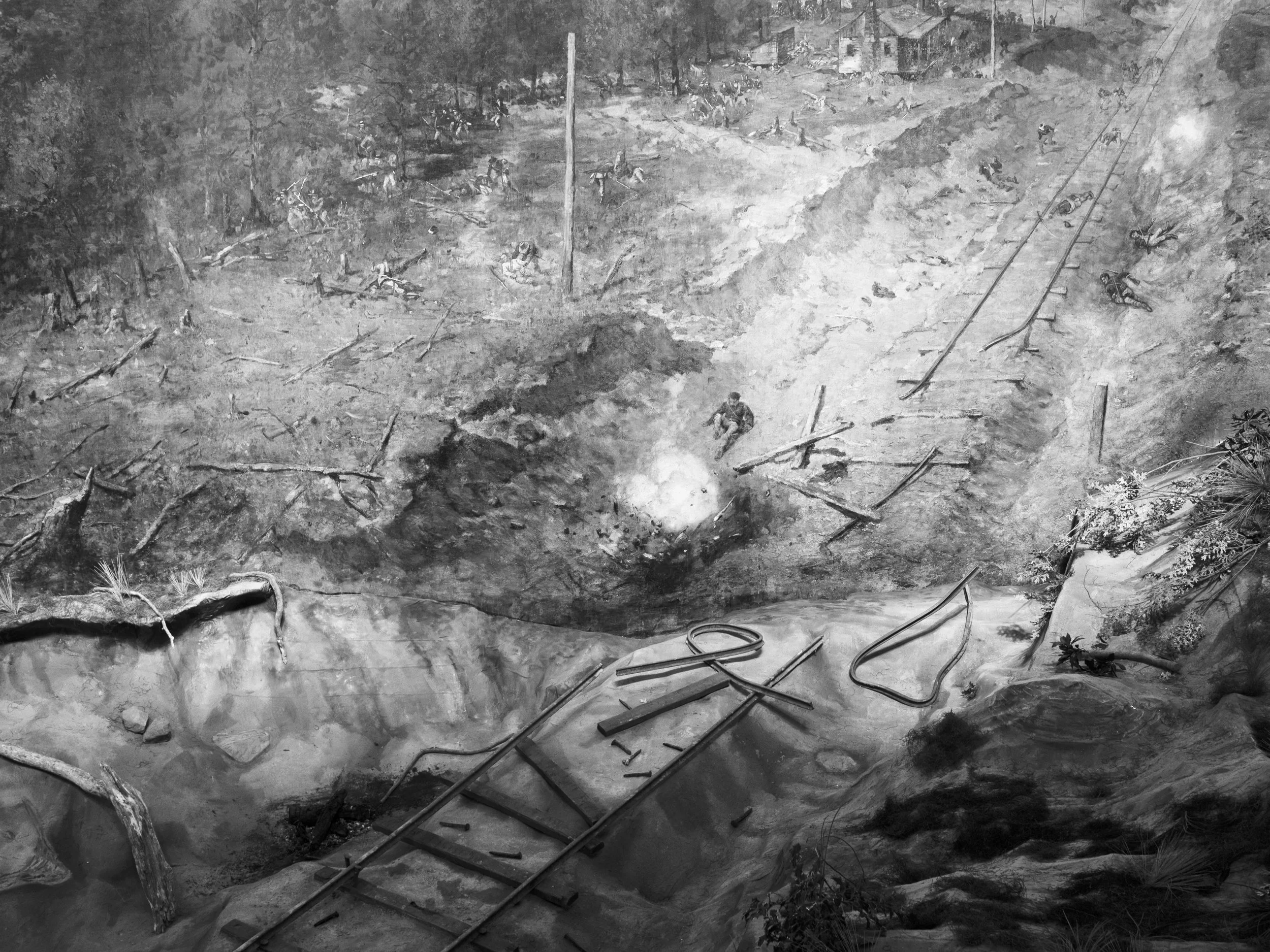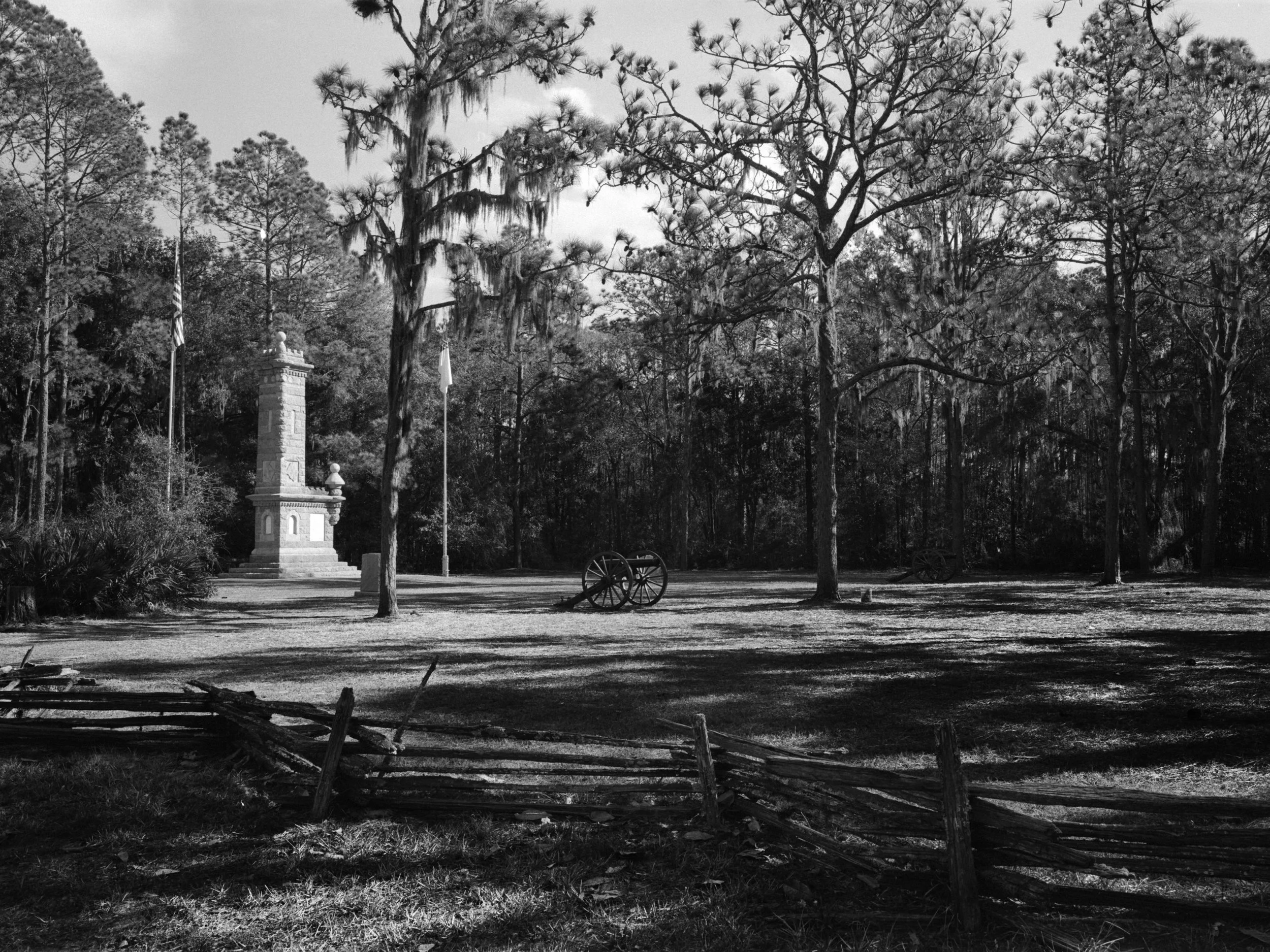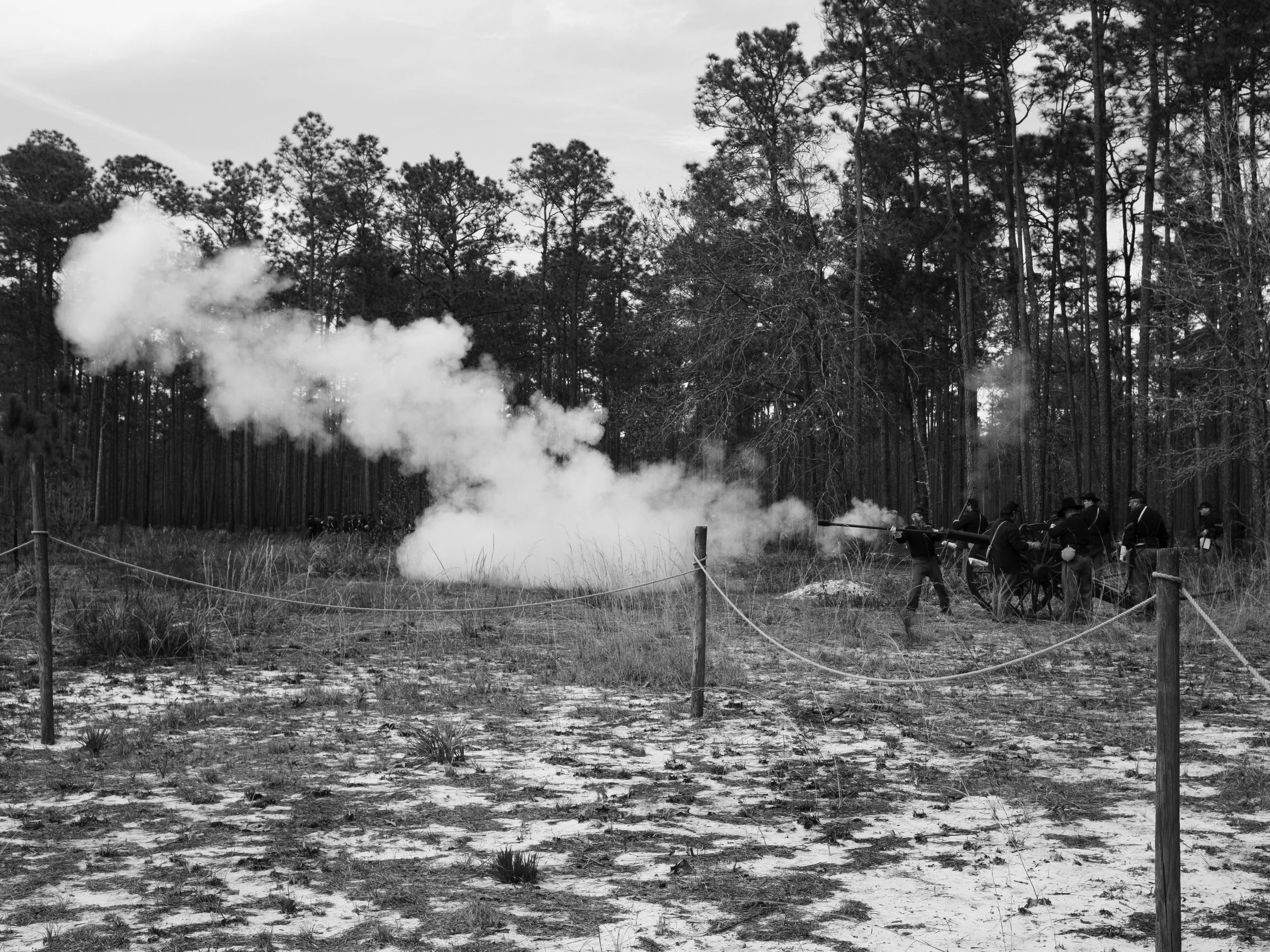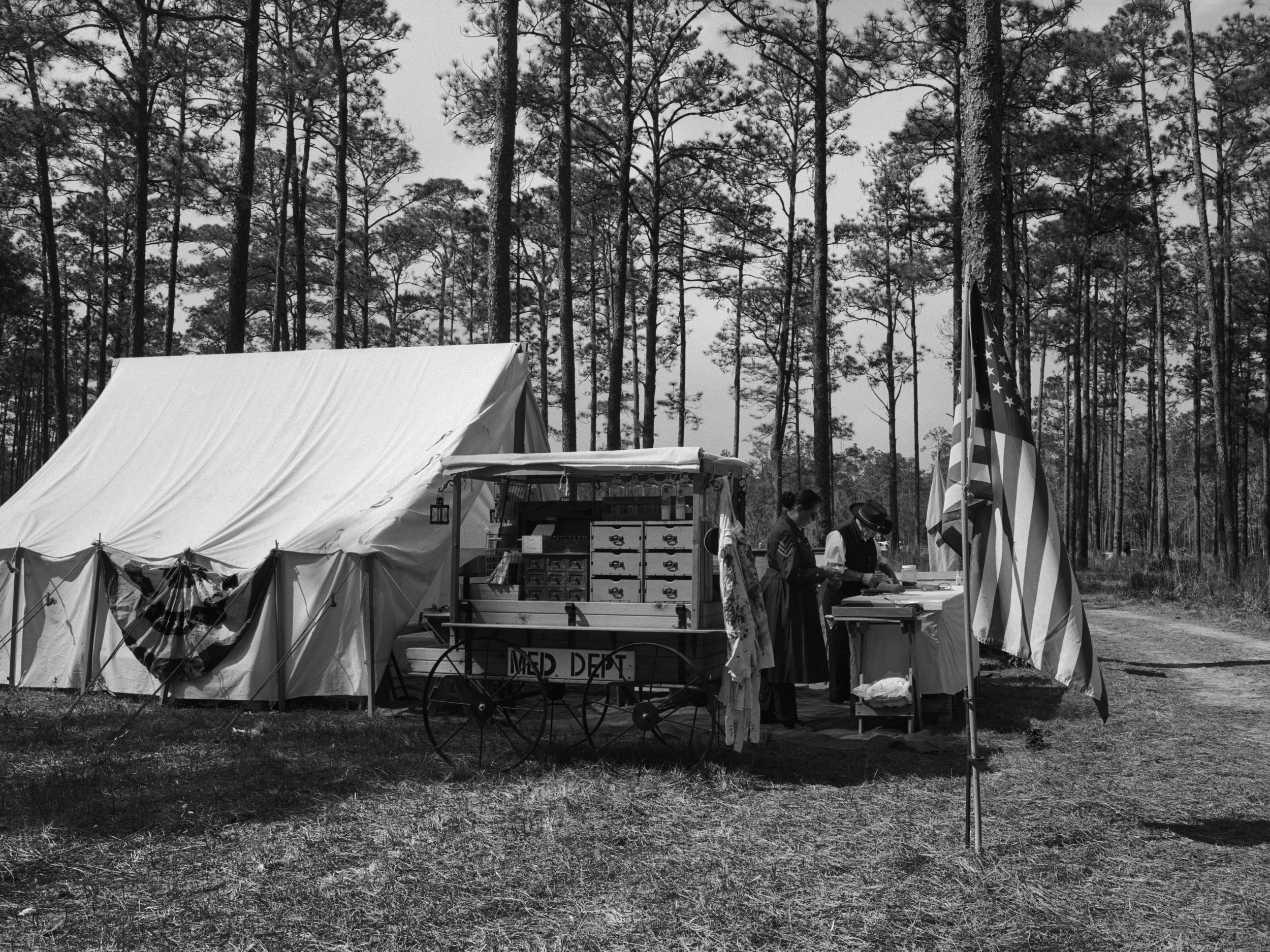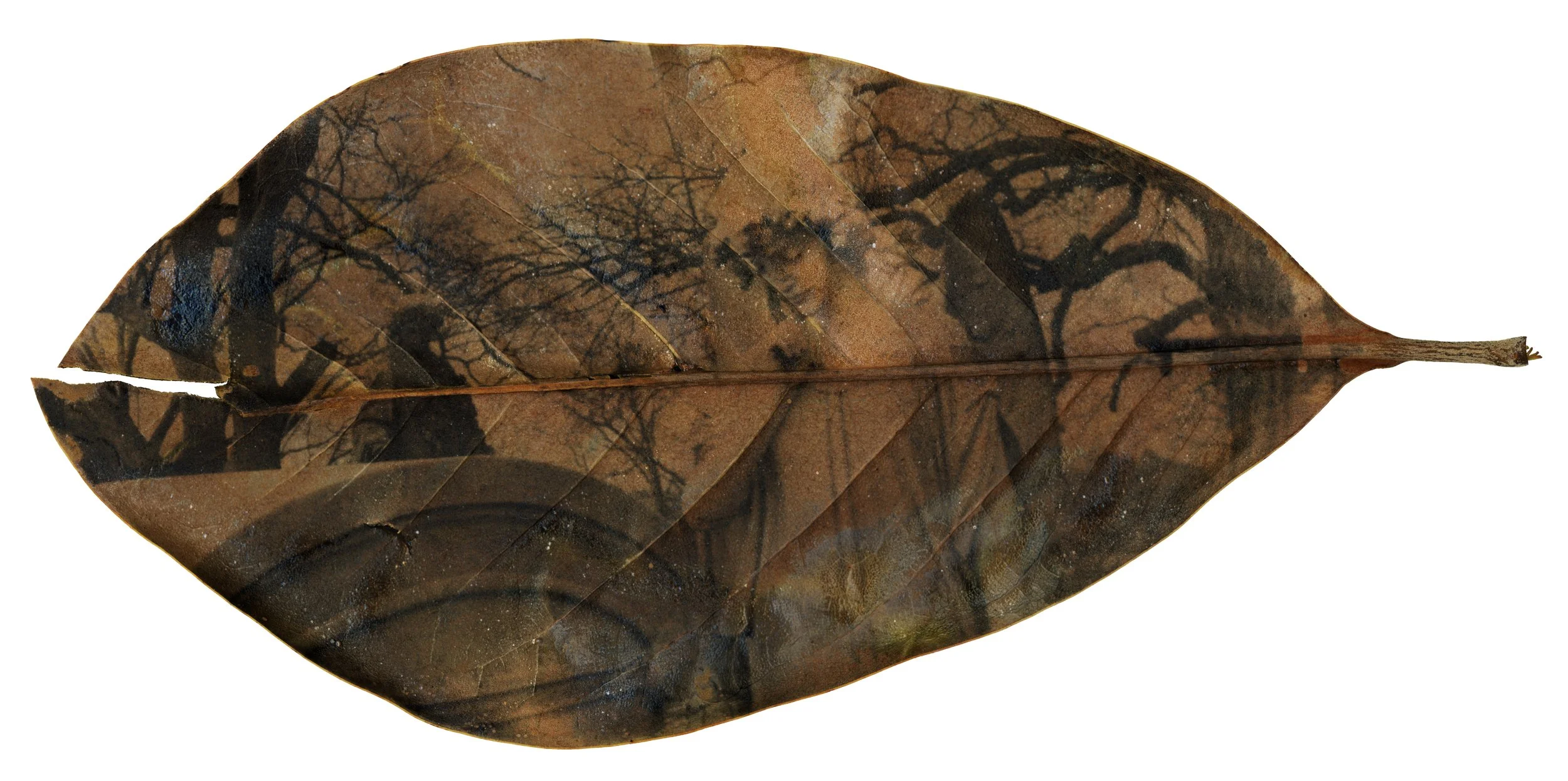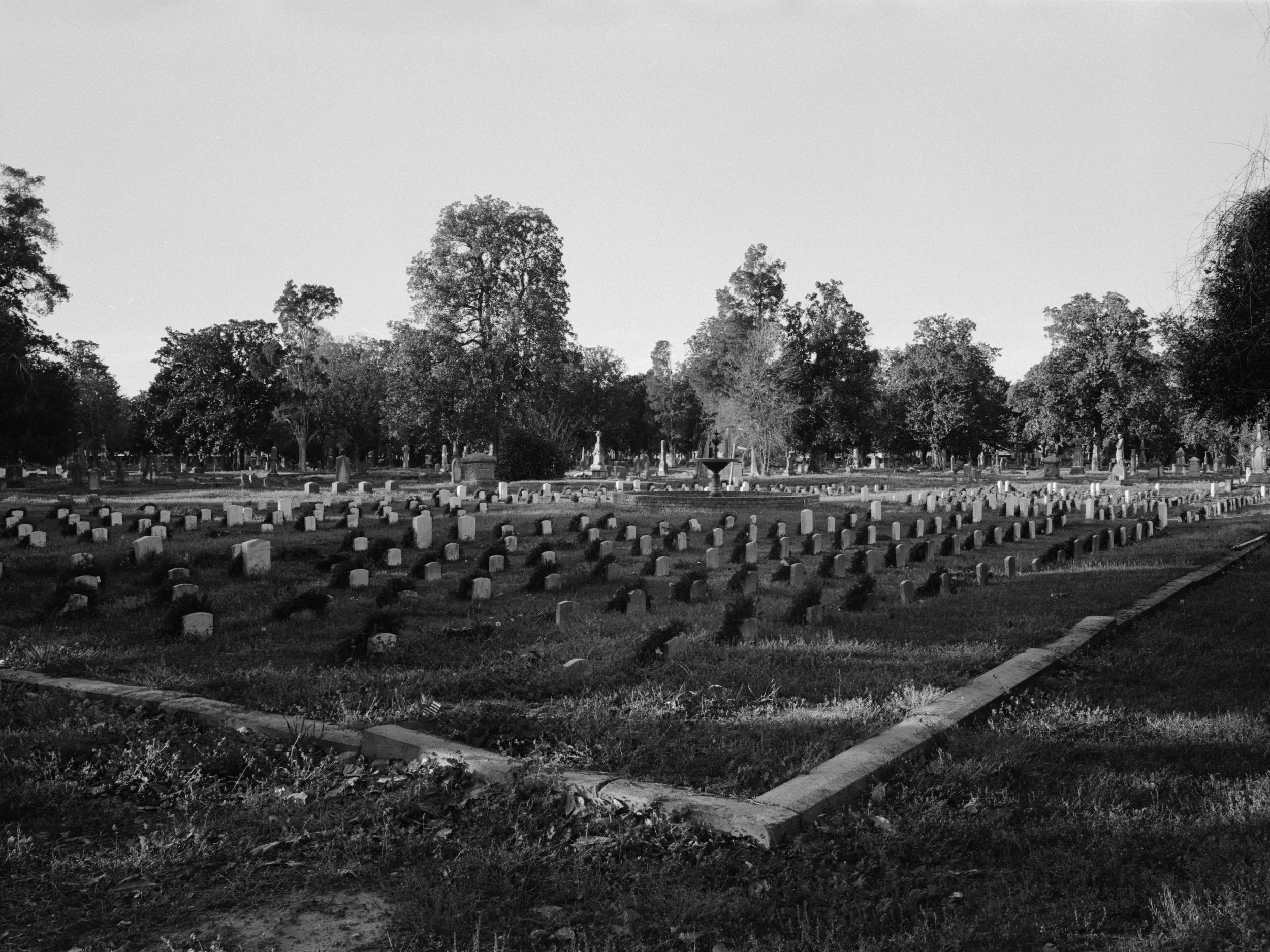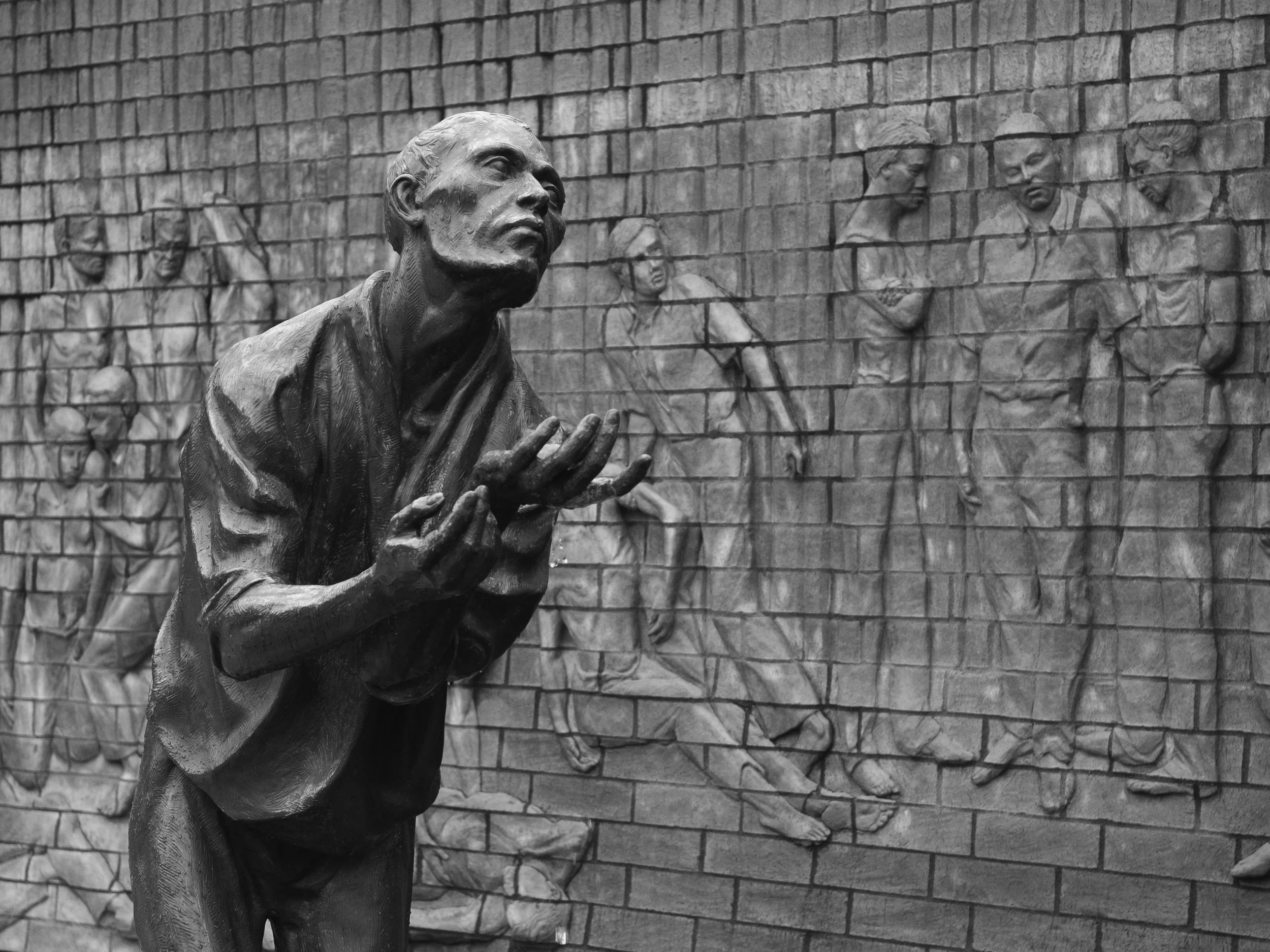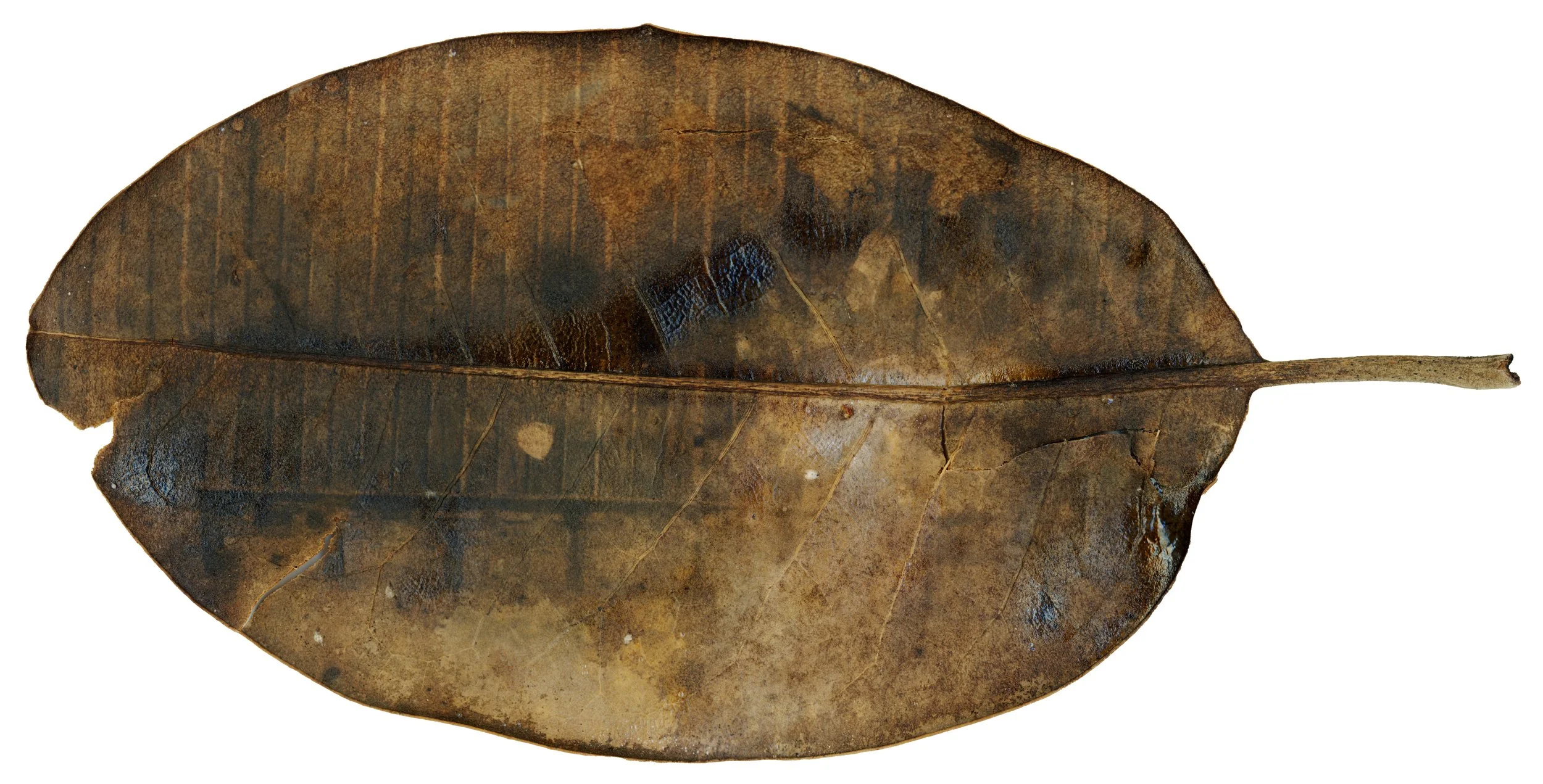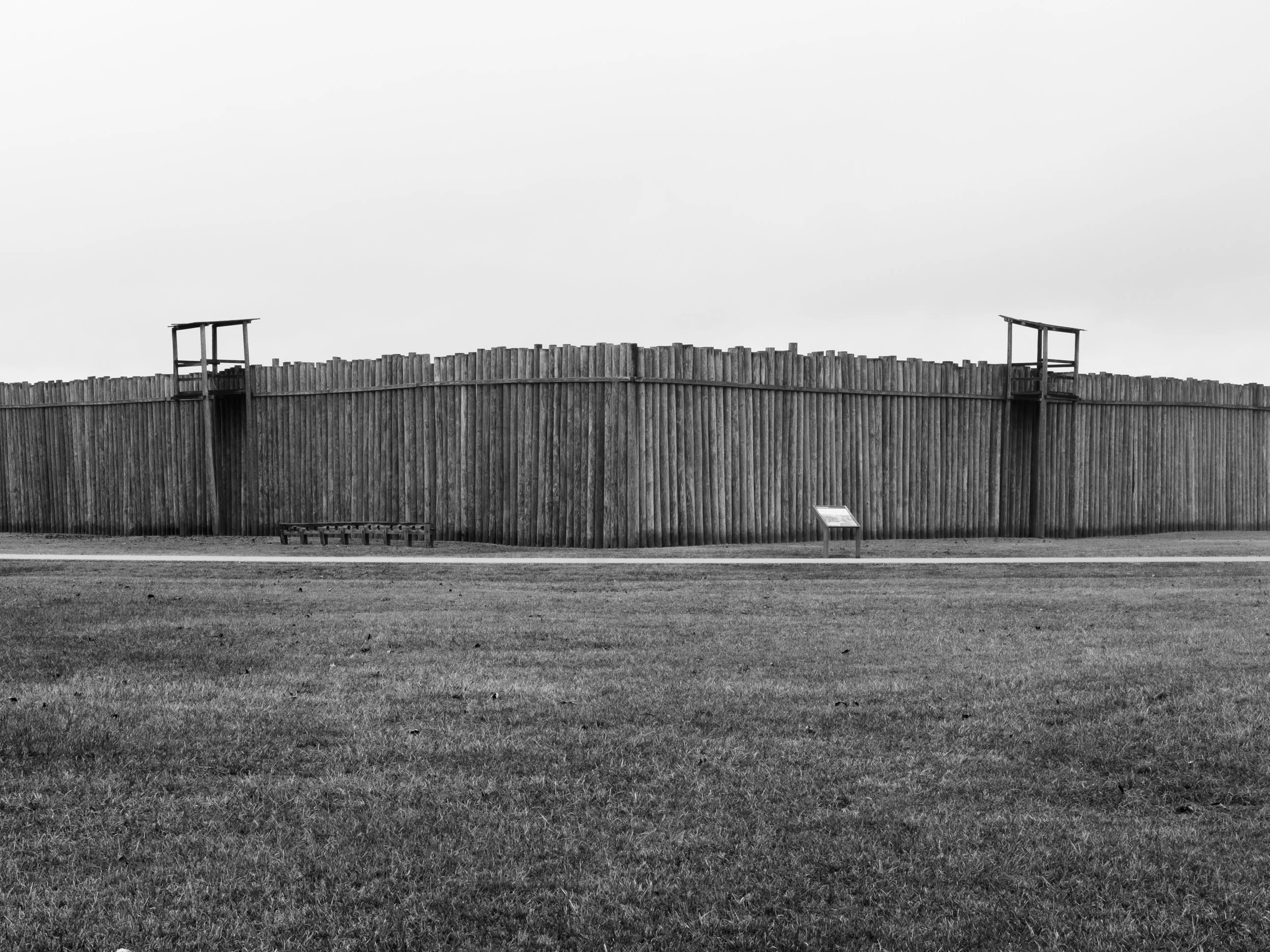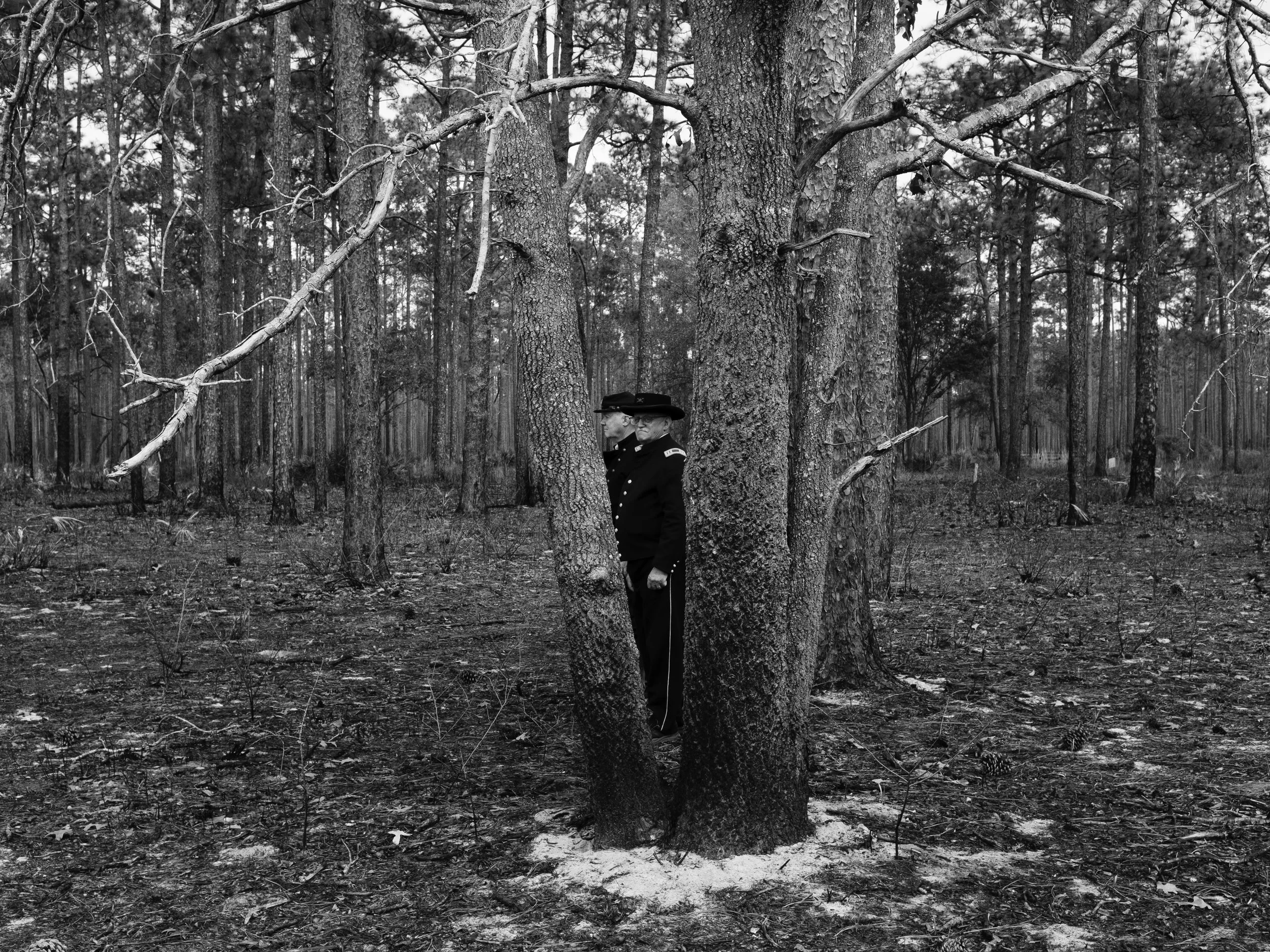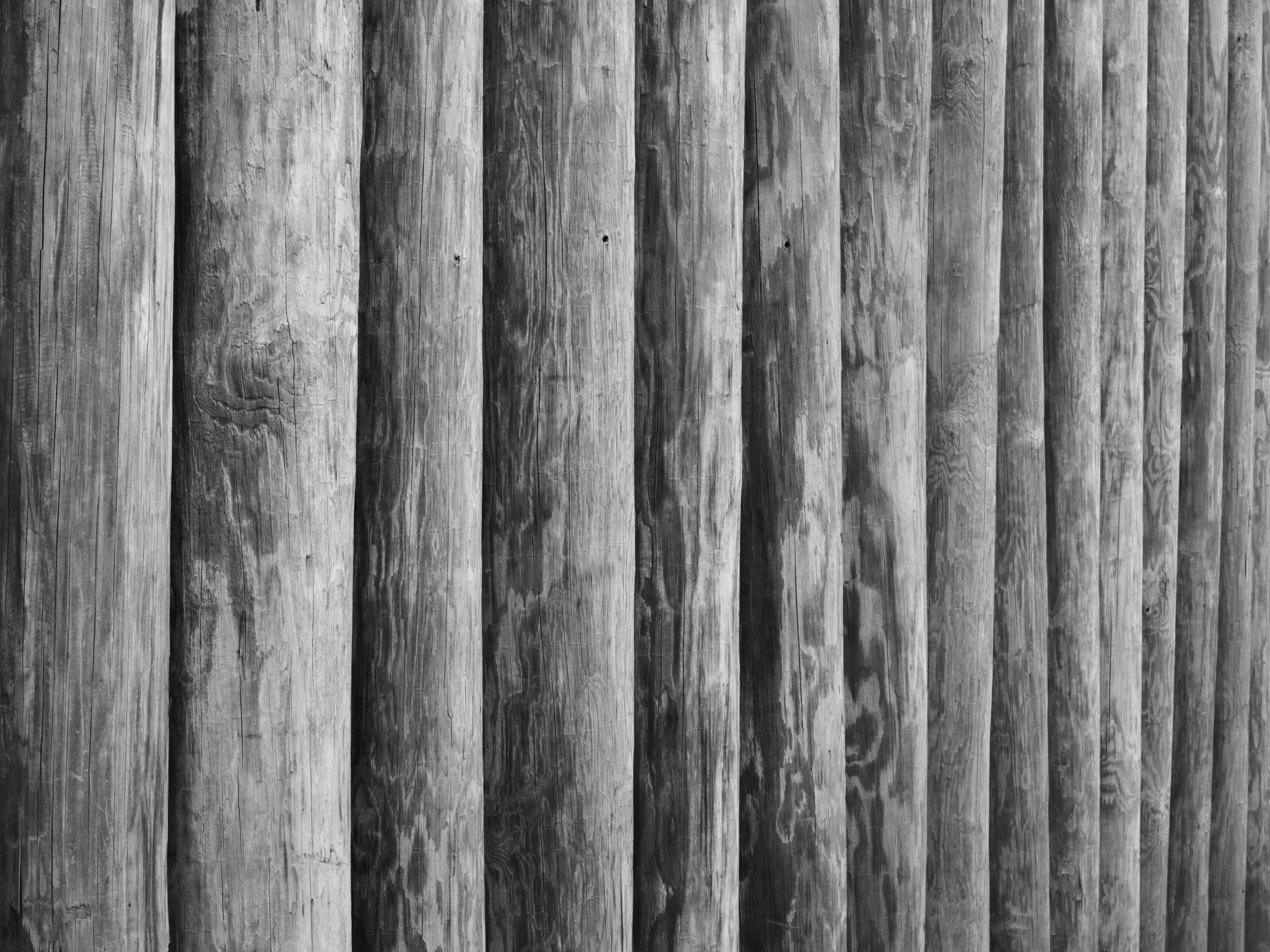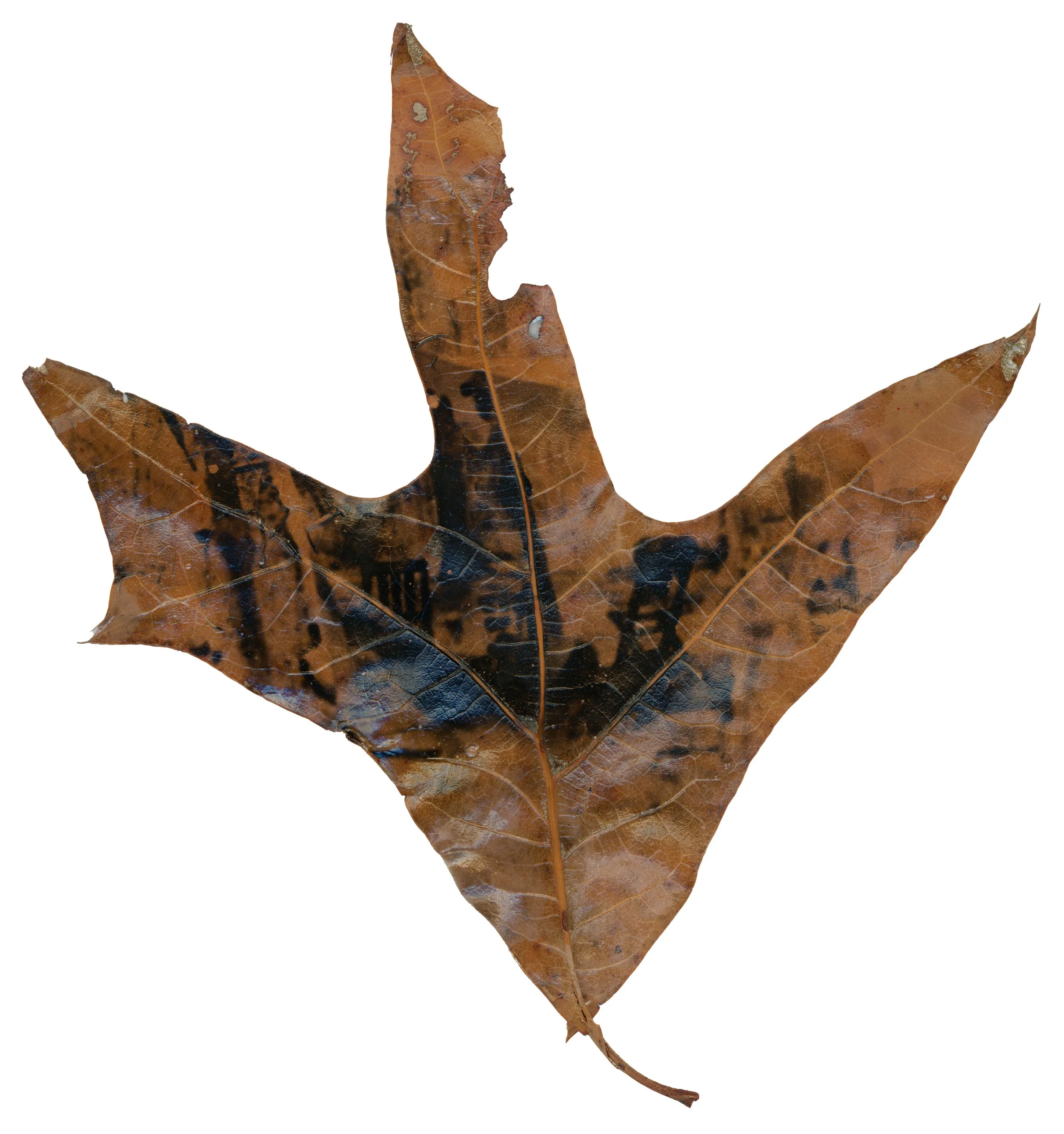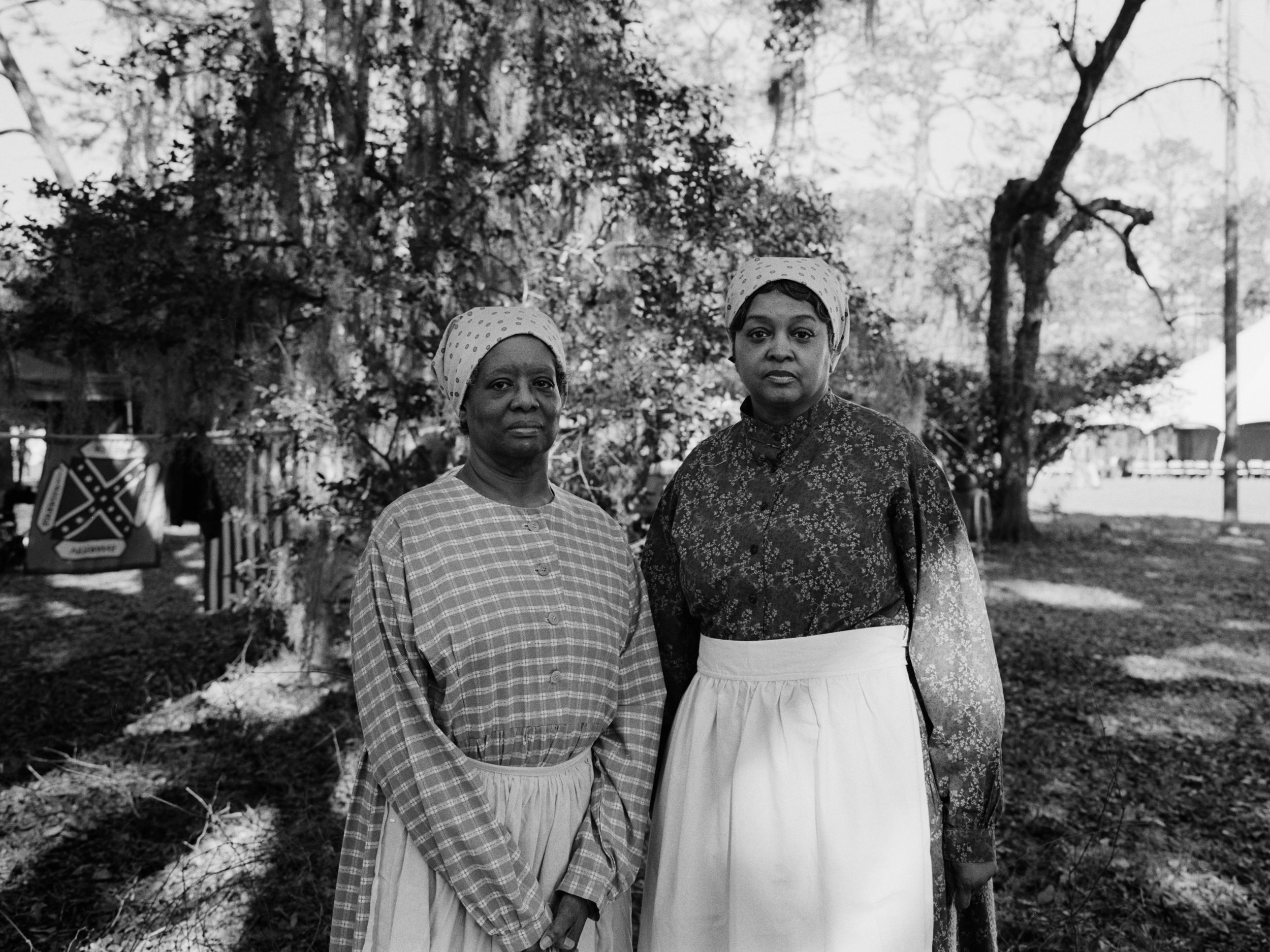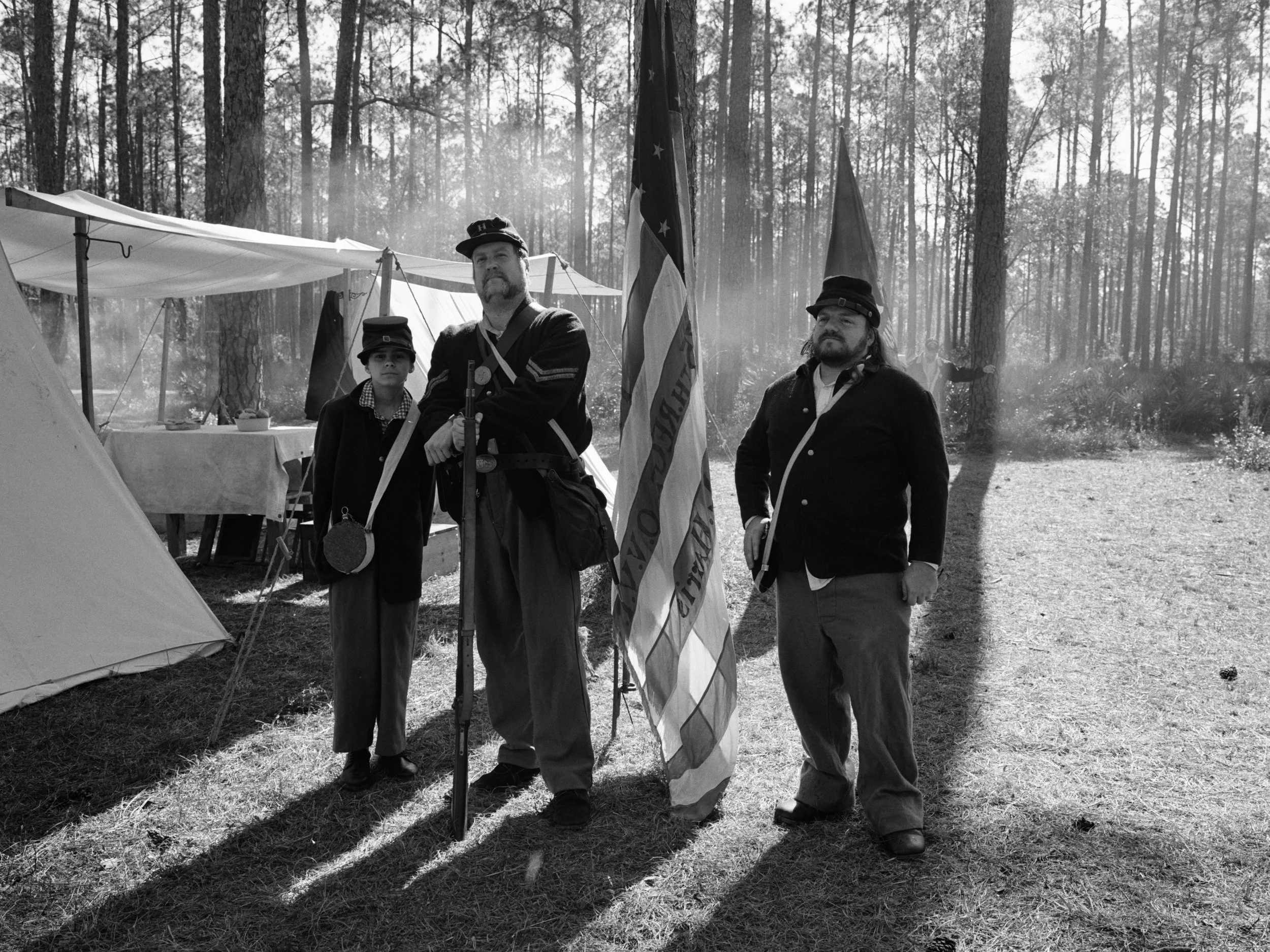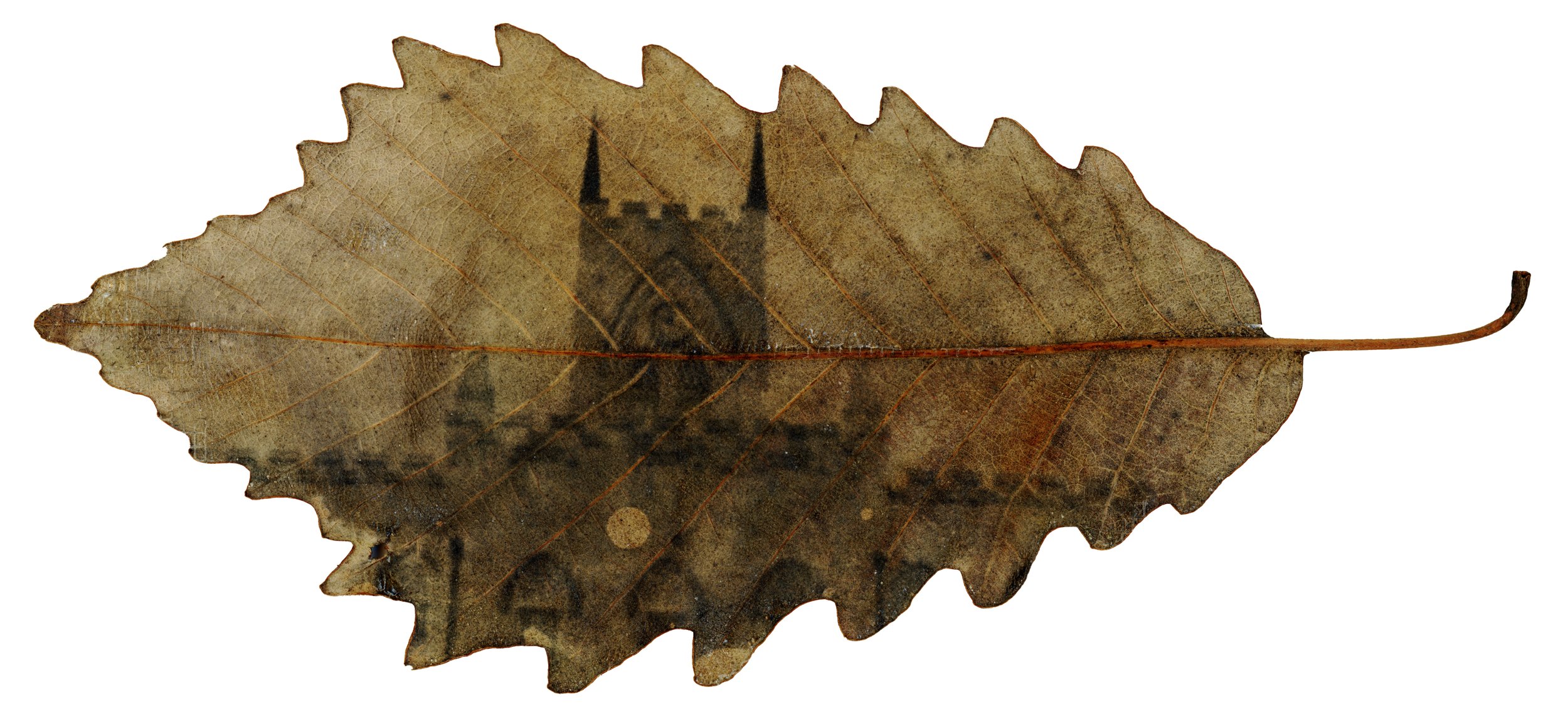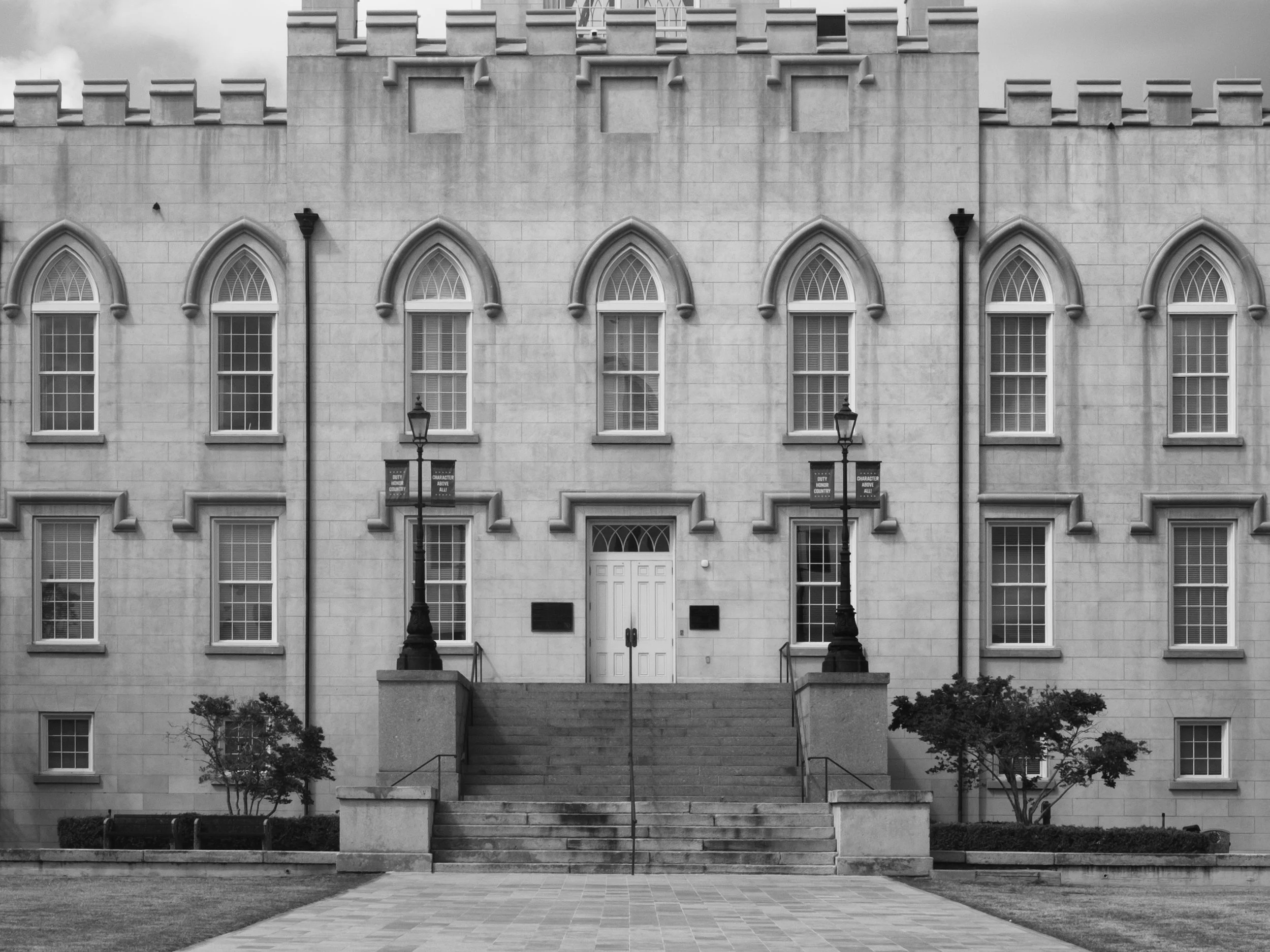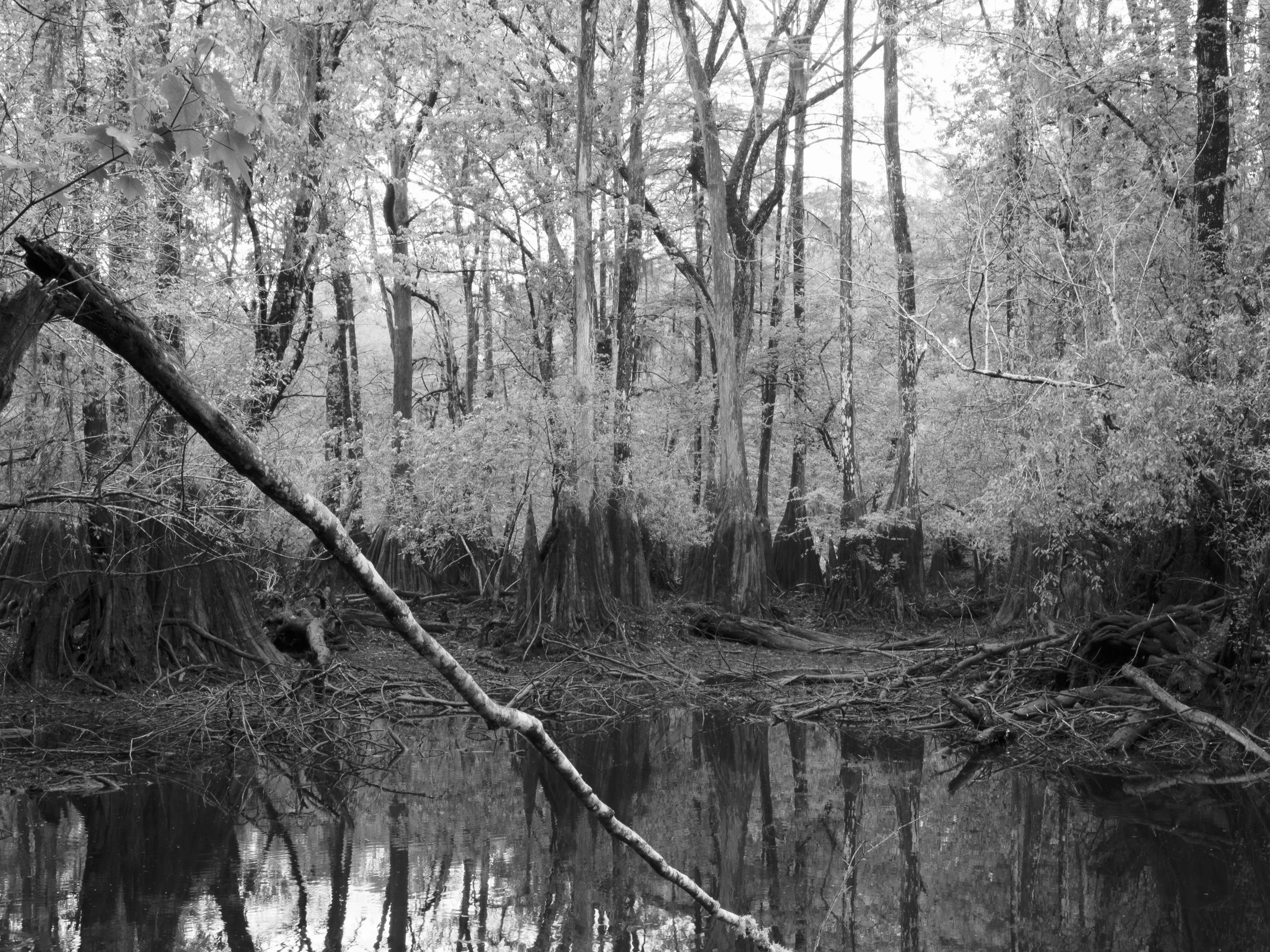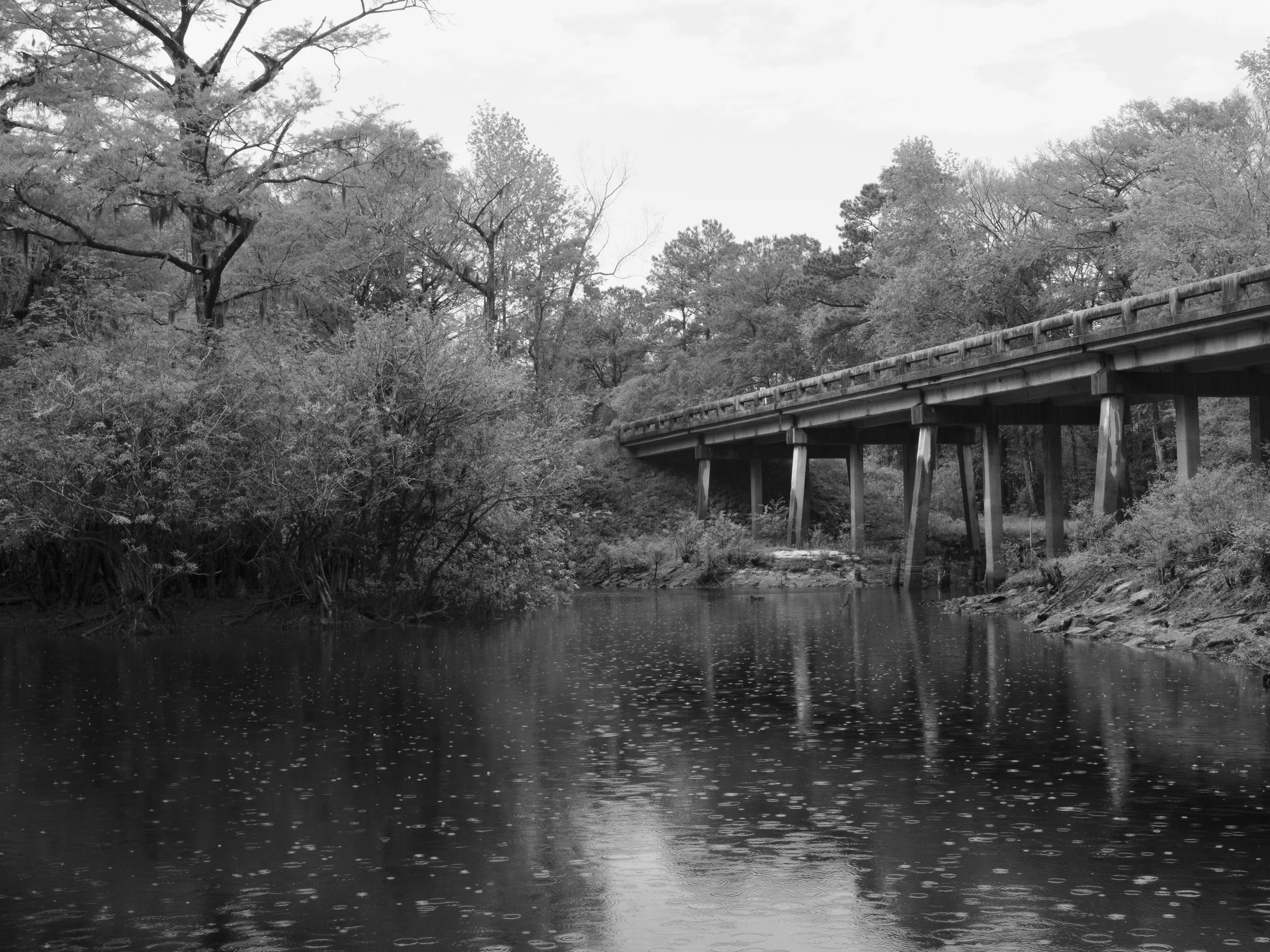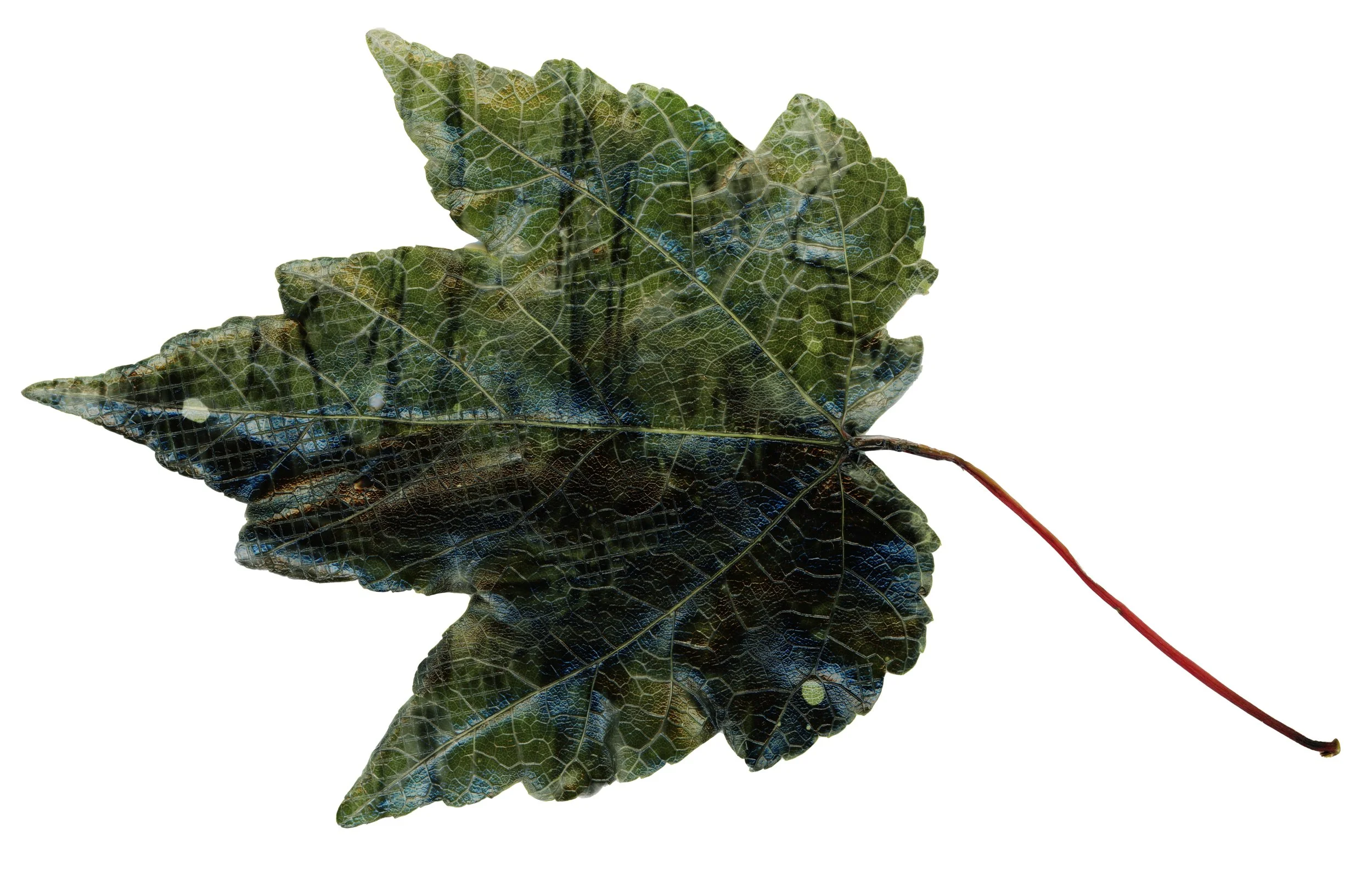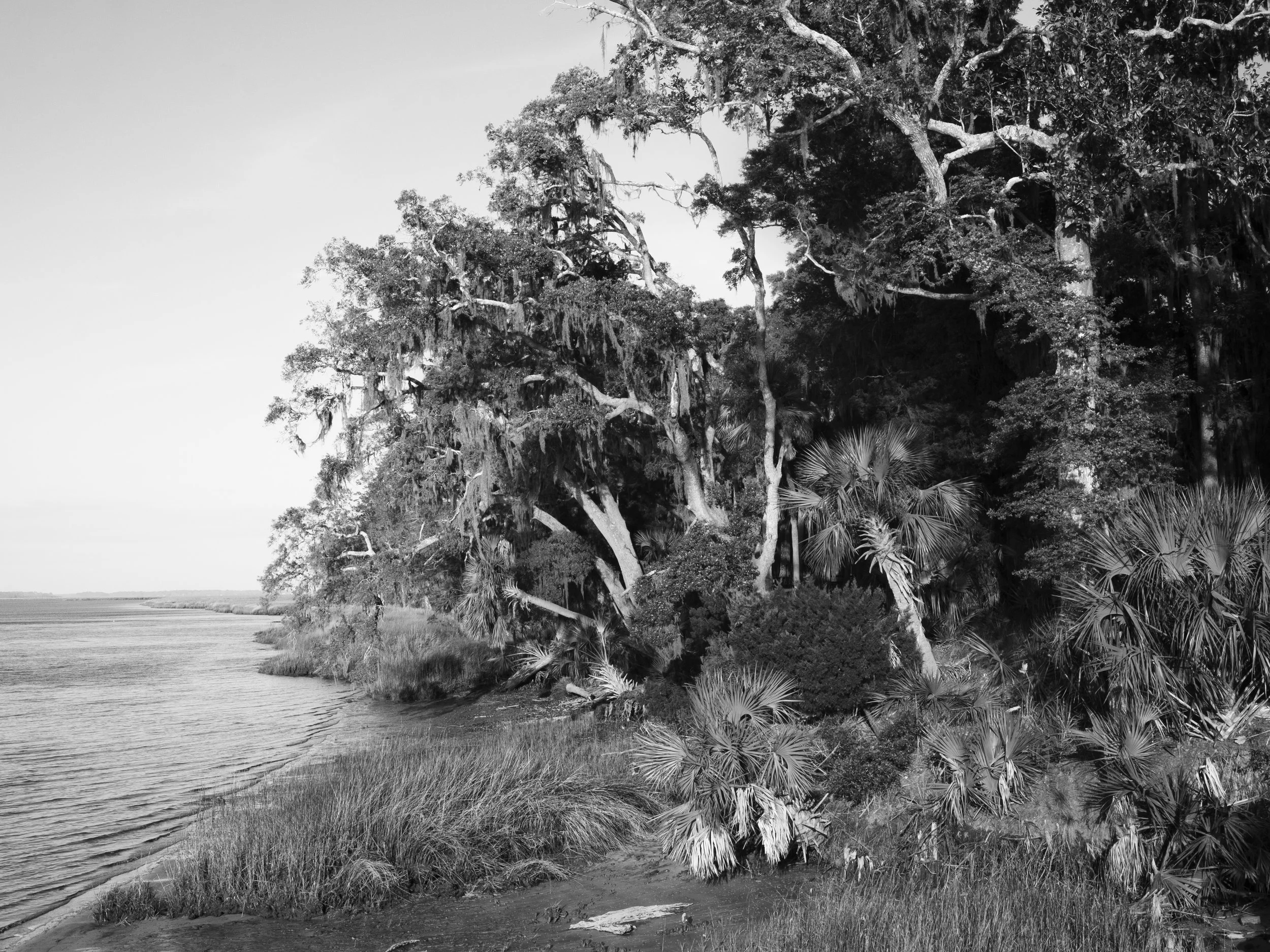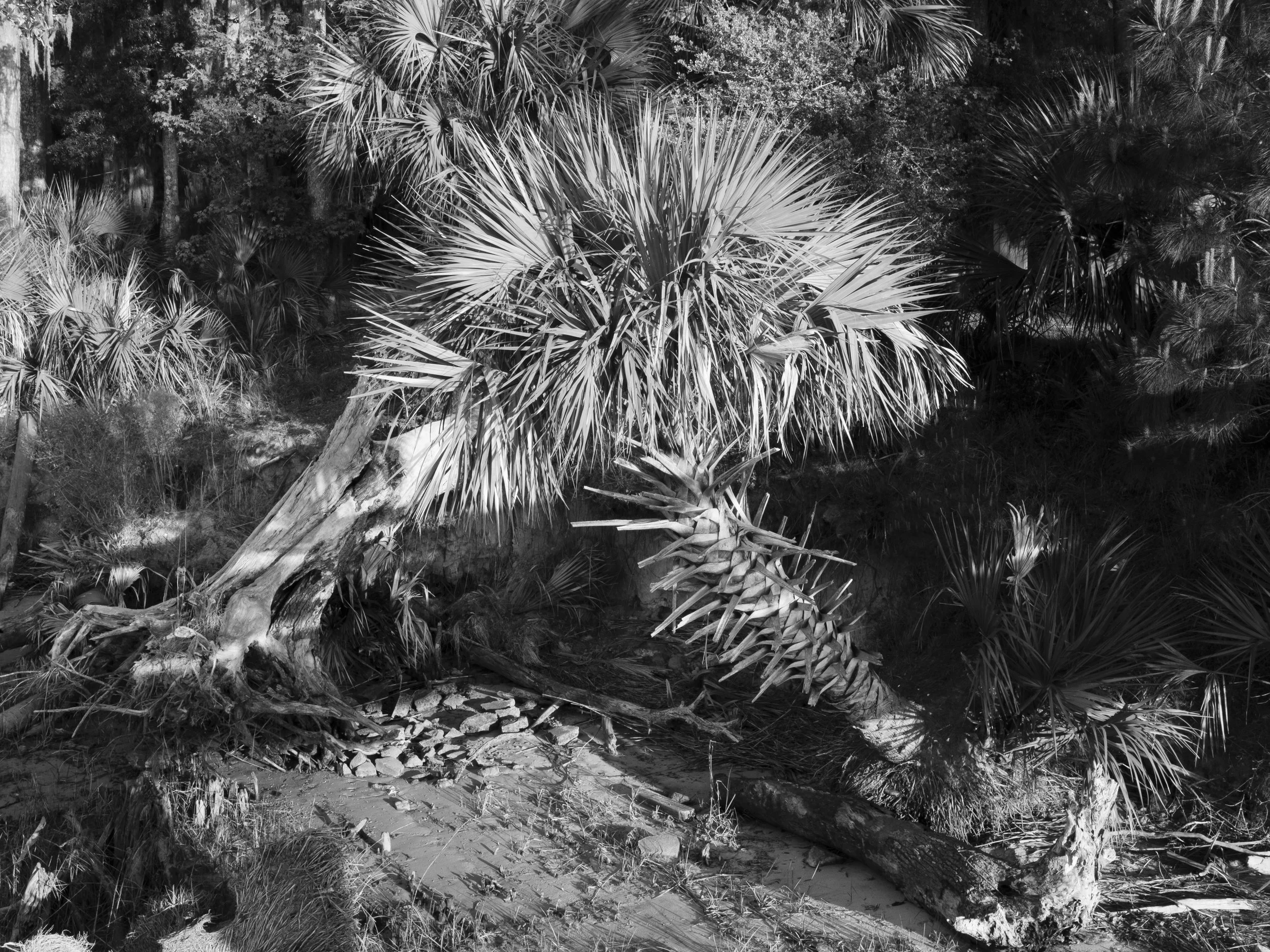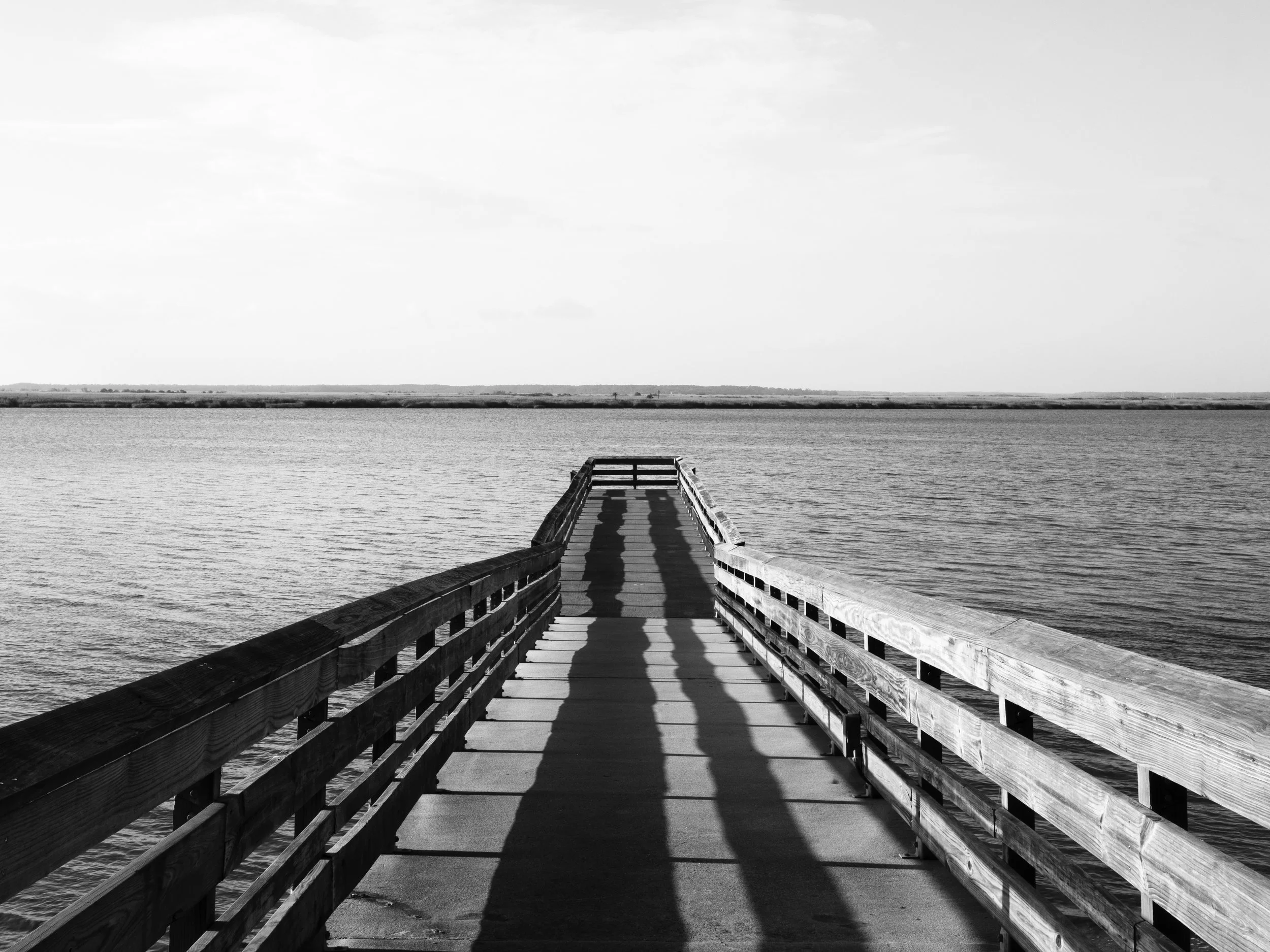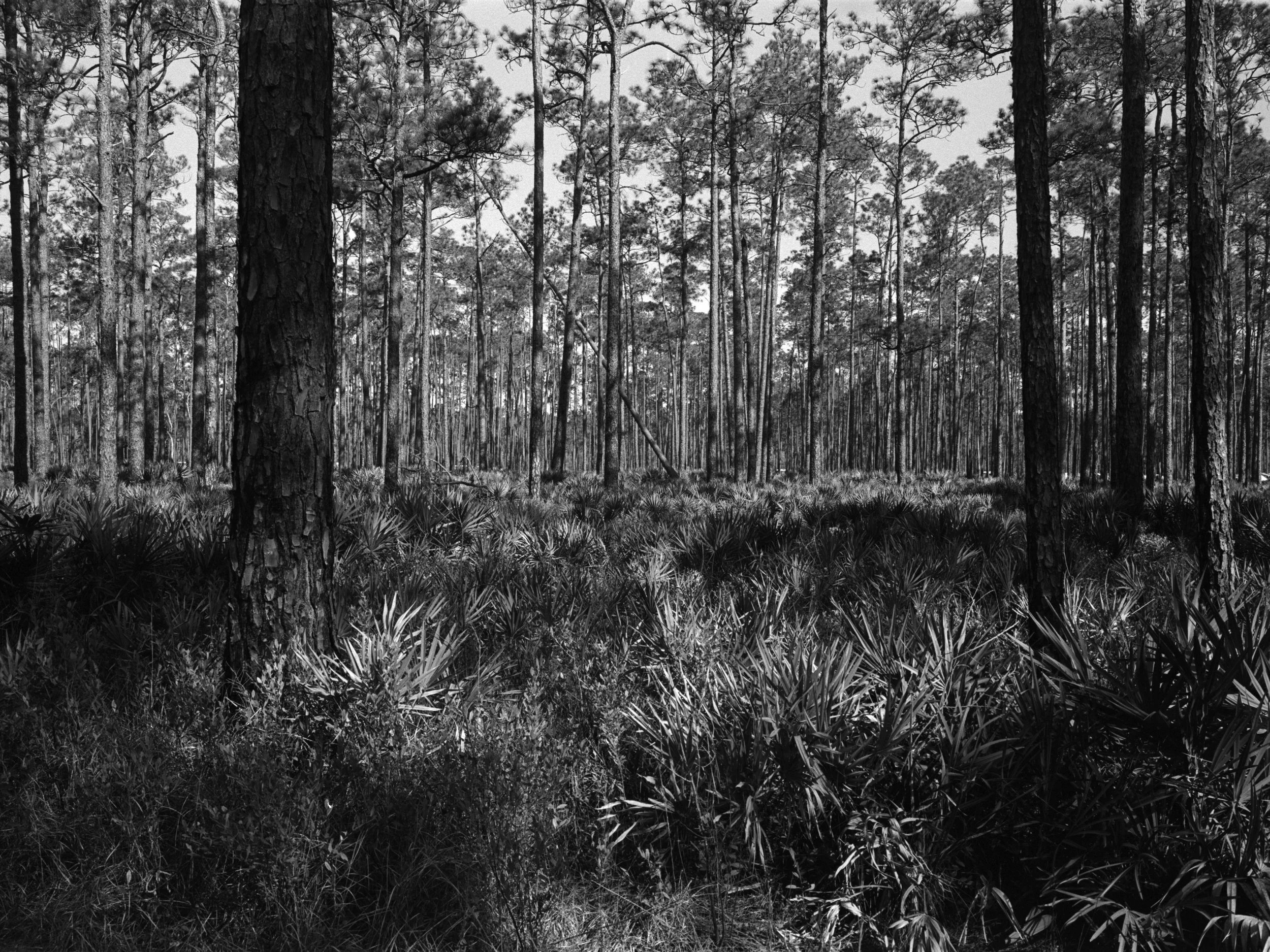
Rural roads shaded trees and a warm breeze. What was once coveted forests alongside railroad tracks spanning from the invisible mountain borders to the edge of the sea now resembles cracking pavement and here-to-stay infrastructure. The Civil War has since been long gone and settled, but its impact stays, seeping into the red clay and lingering within the red and blue Southern Cross of small towns. The wind carries the smell of century-old blood, and the rust settles on the muskets. The grass grows over the trampled battlefields, and the landscape holds the silent screams of blue uniform soldiers. Traveling through the path of Sherman, I remain with the empty fields, finding the traces and following the records. My mind is taken to a distant time of what once existed—scenes filled with corpses and heavy cannons now remain only as a historical fact on a golden sign. I collect from the trees that outlived the chaos. Their leaves exist as vessels, maintaining the connection between the ephemerality and the meditation. A secondary sense of exploration, it serves as the processing of history and the nuanced complexities of suffering.
Through the journey from the mountain to the sea, I realized the path I followed wasn’t only General William T. Sherman’s, but it was also the strenuous path of a photographer by the name of George N. Barnard. Through his slow photograph, the meditation centers itself. The once-encompassing battles existed only within the time they had occurred, leaving the photographs to explore the scenery as a memory and mediation rather than the action of what once was. Remaining were the rubble and the photographer. As it once was for Barnard, and as it presents itself now for me
The passage traveled gave understanding not of the pain and suffering of the wide-eyed blue soldiers but of the people whose autonomy depended on the victory of the Northerners. Every place visited reflects a meaning and a history that lasts not only in memory but also in a cycle of repeated mindset. Change appeared, and it faded; left behind is the synonymous repetition of humankind and its urgent sense of one over another. Though history never repeats itself, it seemingly reappears as an echo of those who once lived.